


The energy scene is changing quickly, and battery storage technology is becoming a major force in determining how sustainable power will be produced in the future. The market for battery storage has grown at an unprecedented rate due to the growing demand for renewable energy sources. These cutting-edge solutions have the potential to completely change how we produce, store, and use electricity.
The Rise of Residential and Commercial Battery Storage
One of the most significant trends in the battery storage market is the increasing adoption of both residential and commercial energy storage systems. As homeowners and businesses alike seek to reduce their carbon footprint and gain greater control over their energy costs, the demand for reliable and efficient battery storage solutions has skyrocketed.
Residential Battery Storage: Empowering Homeowners
Residential battery storage systems have become increasingly popular, allowing homeowners to harness the power of renewable energy sources, such as solar panels, and store the excess energy for later use. This not only reduces reliance on the traditional grid but also provides a reliable backup power source during outages.
Leading the charge in the residential battery storage market are lithium-ion batteries, which offer exceptional energy density, long-lasting performance, and user-friendly installation. However, emerging technologies, such as flow batteries and solid-state batteries, are also gaining traction, promising even greater efficiency and longevity.
Commercial Battery Storage: Optimizing Energy Consumption
The commercial sector has also embraced the benefits of battery storage, with businesses of all sizes recognizing the potential to optimize their energy consumption and reduce operating costs. Commercial battery storage systems are being integrated into a wide range of applications, from industrial facilities and data centers to retail establishments and office buildings.
By leveraging battery storage, businesses can better manage their energy usage, reduce peak demand charges, and even participate in demand response programs offered by utility providers. This not only translates to significant cost savings but also reinforces their commitment to sustainability and environmental responsibility.
Technological Advancements Driving Innovation
The battery storage market is witnessing a surge of technological advancements that are pushing the boundaries of what was once thought possible. From improvements in energy density and cycle life to the emergence of new battery chemistries and system designs, these innovations are reshaping the industry and paving the way for a more efficient and reliable energy future.
Lithium-Ion Batteries: Continuing to Evolve
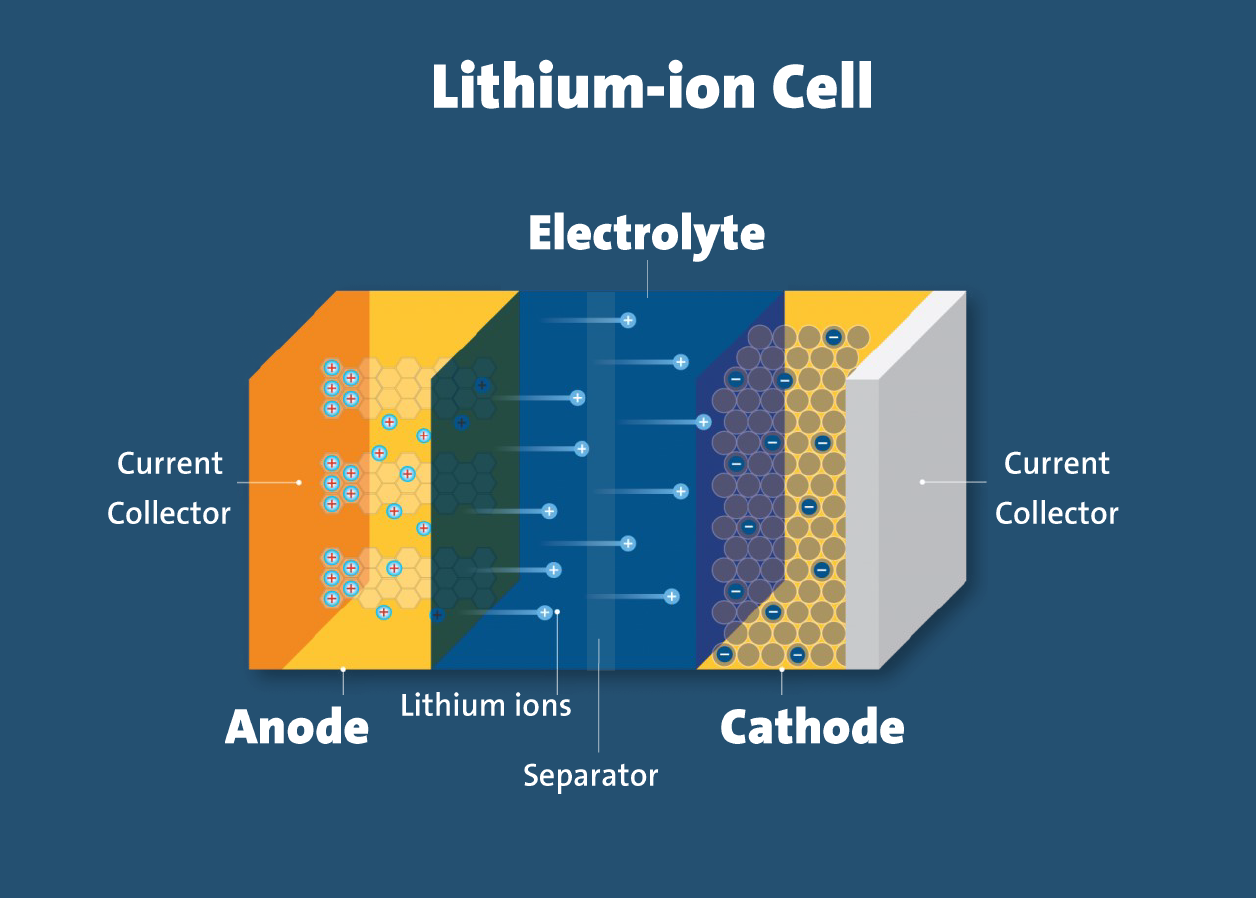
Lithium-ion batteries have long been the dominant technology in the battery storage market, and they continue to evolve to meet the increasing demands of both residential and commercial applications. Manufacturers are constantly working to improve energy density, reduce costs, and enhance safety features, making lithium-ion batteries an increasingly attractive option for a wide range of energy storage needs.
Flow Batteries: Unlocking Long-Duration Storage
While lithium-ion batteries excel in short-to-medium-term energy storage, flow batteries are emerging as a promising solution for long-duration storage. These systems utilize a liquid electrolyte to store energy, allowing for extended runtimes and improved cycle life compared to traditional battery technologies.
The ability of flow batteries to provide long-duration energy storage makes them well-suited for applications such as grid-scale energy storage, renewable energy integration, and backup power for critical infrastructure. As research and development in this field continue, we can expect to see flow batteries play an increasingly significant role in the battery storage landscape.

Solid-State Batteries: The Future of Energy Storage?
On the horizon, solid-state batteries are generating significant excitement in the industry. These innovative battery systems replace the liquid electrolyte found in traditional lithium-ion batteries with a solid, non-flammable material, promising enhanced safety, higher energy density, and improved performance.
The potential advantages of solid-state batteries, such as faster charging, longer lifespan, and greater energy efficiency, have captured the attention of both researchers and industry leaders. As this technology continues to mature, it could revolutionize the battery storage market, offering a safer and more powerful alternative to current battery solutions.

Market Trends and Projections
The battery storage market is experiencing rapid growth, driven by a combination of technological advancements, supportive policies, and increasing demand from both the residential and commercial sectors.
Global Market Expansion
According to industry analysts, the global battery storage market is poised for substantial growth in the coming years. Recent reports estimate that the market size will exceed $200 billion by 2027, representing a compound annual growth rate (CAGR) of over 20% from 2022 to 2027.
This surge in market size is attributed to the widespread adoption of renewable energy sources, the need for reliable backup power, and the growing adoption of electric vehicles. As countries and regions around the world strive to meet their ambitious climate goals, the demand for efficient and scalable energy storage solutions will continue to rise.
Emerging Regional Hotspots
While the battery storage market is experiencing global growth, certain regions are emerging as hotspots for innovation and investment. The United States, for instance, has seen a significant increase in battery storage deployments, driven by federal and state-level incentives, as well as the growing integration of renewable energy sources.
In Europe, countries such as Germany, the United Kingdom, and Italy are leading the charge in battery storage adoption, fueled by their commitment to renewable energy and the need to strengthen grid resilience. Meanwhile, Asia-Pacific, with its rapidly growing energy demands and ambitious climate targets, is also witnessing a surge in battery storage installations, particularly in China, Japan, and South Korea.
The Role of Supportive Policies
The expansion of the battery storage market is also heavily influenced by the implementation of supportive policies and regulatory frameworks. Governments around the world are recognizing the critical role of energy storage in achieving their clean energy goals and are introducing various incentives and programs to encourage investment and adoption.
For example, tax credits, rebates, and grants for battery storage installations have been instrumental in driving market growth in regions like the United States and Europe. Additionally, the development of favorable regulatory environments, such as the integration of battery storage into grid planning and the introduction of energy storage mandates, have further accelerated the adoption of this technology.
Unlocking the Future: Expert Insights and Recommendations
As the battery storage market continues to evolve, industry experts and thought leaders offer valuable insights into the future of this dynamic sector. Here are some key recommendations and predictions:
Embracing Hybrid Energy Storage Systems
The future of battery storage may lie in the integration of multiple storage technologies, creating hybrid energy storage systems. By combining complementary technologies, such as lithium-ion batteries and flow batteries, these hybrid systems can provide a more comprehensive and versatile solution, addressing the unique needs of different applications and use cases.
Focusing on Scalability and Grid Integration
As the demand for battery storage grows, the ability to scale up these systems will be crucial. Experts emphasize the importance of developing modular and flexible battery storage solutions that can be easily integrated into existing grid infrastructure, enabling seamless scaling to meet the evolving energy demands of communities and regions.
Prioritizing Sustainability and Circularity
Sustainability will be a key focus in the future of the battery storage market. Manufacturers and industry leaders are already exploring ways to improve the environmental footprint of battery production, including the use of recycled materials, the development of more efficient recycling processes, and the integration of renewable energy sources into the manufacturing process.
Embracing the Power of Data and Analytics
The increasing use of data and advanced analytics will play a vital role in the optimization and management of battery storage systems. By leveraging real-time data, machine learning, and predictive modeling, energy providers and businesses can gain deeper insights into their energy consumption patterns, optimize system performance, and make more informed decisions about their energy storage needs.
The battery storage market is on the cusp of a transformative era, driven by technological advancements, supportive policies, and the growing demand for reliable and sustainable energy solutions. As the world continues to transition towards a cleaner energy future, the role of battery storage will become increasingly crucial, empowering businesses, communities, and homeowners to take control of their energy consumption and contribute to a more sustainable tomorrow.