


Max. Input Power:1.5-7.5kw
Rated Output Power:1-5kw
Protection Degree: IP66
Weight:6kg

On-Grid Solar Power System
Company advantages
Quality Control
Our products have obtained multiple certifications. We regard quality as the life of the enterprise, and comprehensive control of the industrial chain ensures product quality.
Long Warranty
We assure 12 years limited warranty on materials and workmanship, 10 years limited warranty for 90% linear power output, 25 years limited warranty for 80% linear power output warranty.
One-stop Solution
We focus on photovoltaic system design, research and development, production and provide customers with high-quality photovoltaic installation, commissioning.
Quality Services
We provide high-quality services that meet the highest industry standards. We follow best practices in our work processes and adhere to strict quality control measures to ensure that we deliver the best results to our clients.
What is On-Grid Solar Power System
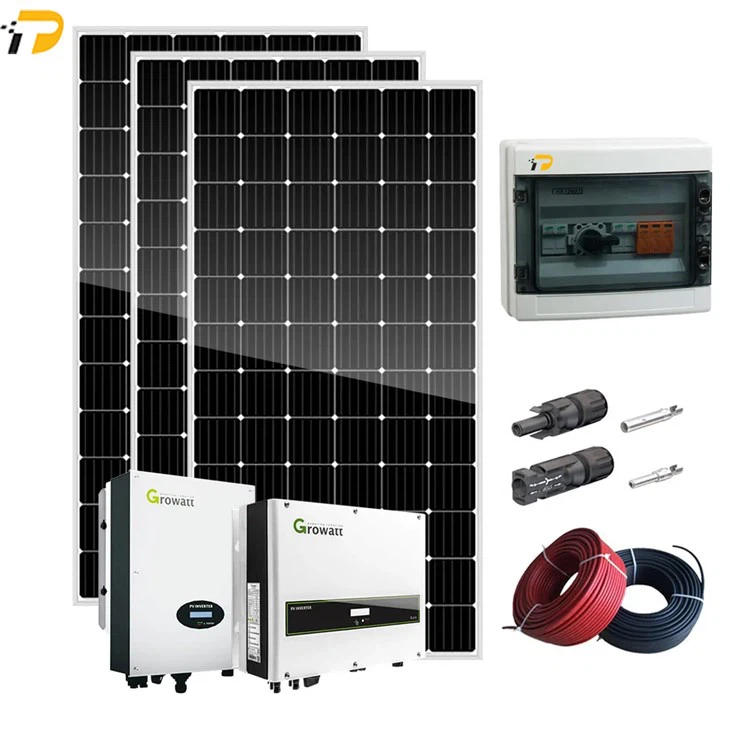
On-grid solar power system is mainly composed of solar panels and inverters. The solar panels are directly converted into 220V AC power by the inverter and supply power to household appliances.The On-grid system is grid-connected to the mains. The On-grid solar system generates electricity without storage devices. It is directly inverted into the required voltage for the parallel power required by the national grid, and is given priority for family use. The family's unused electricity can be used. Many countries have relevant policies for selling to the country, and you need to apply to the local national grid department before installation.
-
![Residential Solar Inverter 5kw]()
-
![Single Phase Solar Inverter 10kw]() Single Phase Solar Inverter 10kwRated input voltage: 360Vread more
Single Phase Solar Inverter 10kwRated input voltage: 360Vread more
Rated output power:7000-10500W
Weight: 18.5kg
Ingress protection: IP65 -
![250kW Three-Phase String Inverter]() 250kW Three-Phase String InverterRated input voltage: 1160Vread more
250kW Three-Phase String InverterRated input voltage: 1160Vread more
Rated output power:250-352kW
Weight: < 113 kg
Ingress protection: IP66 -
![4kw Single Phase Inverter]() 4kw Single Phase InverterRated output power:1100-4000Wread more
4kw Single Phase InverterRated output power:1100-4000Wread more
SPD:PV: Type III, AC: Type III
Communication:RS485 / Wi-Fi
Degree of protection: IP65 -
![3KW On-Grid Solar System]() 3KW On-Grid Solar SystemAC output Power: 3KWread more
3KW On-Grid Solar SystemAC output Power: 3KWread more
Output Voltage(V): 100-300V, 1-PHASE
Application: Household/business
Solar Panel Type: 550Wp Mono
Inverter Type: On-Grid
Panel Efficiency:... -
![5KW On-Grid Solar System]() 5KW On-Grid Solar SystemAC Output Power: 5KWread more
5KW On-Grid Solar SystemAC Output Power: 5KWread more
Output Voltage(V): 100-300V, 1-PHASE
Application: Household, Industrial and Commercial
Solar Panel Type: 550WP Mono
Inverter Type: On-Grid... -
![10KW On-Grid Solar System]() 10KW On-Grid Solar SystemAC Output Power: 10KWread more
10KW On-Grid Solar SystemAC Output Power: 10KWread more
Output Voltage: 160-300V/1-PHASE, 200-480V/3-PHASE
Application: Household, Industrial and Commercial
Solar Panel Type: 550Wp Mono
Inverter Type:... -
![20KW On-Grid Solar System]() 20KW On-Grid Solar SystemAC Output Power: 20KWread more
20KW On-Grid Solar SystemAC Output Power: 20KWread more
Output Voltage: 200-480V AC/3-PHASE
Application: Household, Industrial and Commercial
Solar Panel Type: 550Wp Mono
Inverter Type: On-Grid... -
![100KW On-Grid Solar System]() 100KW On-Grid Solar SystemAC Output Power: 100KWread more
100KW On-Grid Solar SystemAC Output Power: 100KWread more
Output Voltage: 200-480Vac/3-PHASE
Application: Industrial and Commercial
Solar Panel Type: 550Wp Mono
Inverter Type: On-Grid (zero export device... -
![200KW Rooftop On-Grid Solar System]() 200KW Rooftop On-Grid Solar SystemAC Output Power: 200KWread more
200KW Rooftop On-Grid Solar SystemAC Output Power: 200KWread more
Output Voltage: 200-480Vac, 800V AC/3-PHASE
Application: Industrial and Commercial
Solar Panel Type: 550Wp Mono
Inverter Type: On-Grid... -
![50KW Commercial On-Grid Solar System]() 50KW Commercial On-Grid Solar SystemAC Output Power(W): 50KWread more
50KW Commercial On-Grid Solar SystemAC Output Power(W): 50KWread more
Output Voltage(V): 200-480V, 3-PHASE
Application: Industrial and Commercial
Solar Panel Type: 550Wp Mono
Inverter Type: On-Grid
Panel... -
![500KW Industrial On-Grid Solar System]() 500KW Industrial On-Grid Solar SystemAC Output Power(W): 500KWread more
500KW Industrial On-Grid Solar SystemAC Output Power(W): 500KWread more
Output Voltage(V): 200-480V, 800V, 3-PHASE
Application: Industrial and Commercial
Solar Panel Type: 550Wp Mono
Inverter Type: On-Grid...


On-Grid Solar Power Systems are grid-connected photovoltaic setups, seamlessly integrating with the existing electrical grid. These systems consist of solar panels, inverters, and monitoring equipment, enabling efficient energy production, reduced electricity bills, and potential surplus energy export to the grid."
Benefits of On-Grid Solar Power System
Constant Supply Of Power
A grid-connected solar system guarantees that your home always gets power, even when your solar system is undergoing repair or generates insufficient power on rainy and cloudy days. You can also opt for a battery bank when personalising your system to store some surplus energy to be used when the grid is down. As a result, you are not entirely dependent on the sun and can draw any additional energy, when needed, from the grid.
Energy Cost Savings
With solar powering your home, your monthly energy bill plummets, giving you the joy of small savings. These small portions add up to show significant savings. Additionally, solar investment also promises high returns. Every month you use solar electricity and don't purchase any grid electricity, your bill will reflect a nominal charge. On days when your panels generate excess electricity, you can export it to the government grid for credit units, which will also reflect in your monthly utility bills. When your electricity exports exceed your imports, you will be paid at tariff rates fixed by the government. Your solar system not only reduces your electricity cost but also becomes a source of your income. These savings accumulate into a large amount over the years, just as enough even offset your initial solar cost in just 6-8 years.
Generate Your Own Electricity
When you live in a solar-equipped home, you are nearly grid-independent and can generate the amount of electricity you need to function every day. Your solar company ensures that you get the right capacity of an on-grid solar system based on your electricity needs so that the days when you get to switch to the government grid are as few as possible. Moreover, today's photovoltaic solar panels are more energy-efficient and give higher energy output against the amount of sunshine captured by each solar cell. As a result, less area and few panels are needed to meet your electricity requirements.
Environmentally-friendly
The environmental benefits of solar are a major reason why you should get rooftop solar and why the government is offering subsidies to make on-grid solar power systems more affordable for homes. By adopting solar, you reduce greenhouse gas emissions, lower the demand for fossil fuels, and eventually decrease your own carbon footprint.
What are the Applications of On-Grid Solar Power System
Electrification in rural and remote areas
More than 2 billion people lack regular access to electricity and most of them belong to rural households that generate light and electricity by burning wood or petroleum, both expensive and hazardous forms of generating electric power.Statistically, people lacking stable access to electricity will hardly be able to develop business or pursue higher education and face comparably severe socio-economic disadvantages.Without electricity, hospitals in rural areas are not able to store medicals, endangering people that depend on local health care treatment. All this is not only a waste of high potential human capital as well as a dangerous source of diseases but also leads to strong imbalances in the economic development of a country.
Emergency Power Supply in case of natural disasters
Natural disasters, wars or electricity generation capacity lacks may lead to unexpected disruption of power supply. Sudden power cuts are in few cases effectively countered, which can severely affect communication, health care and water supply and thus endanger life and security.Solar-powered Emergency Power Systems (EPS systems) are built to overcome temporary lacks of power and can be applied in disaster-affected areas or war zones where demand for quick electricity supply is extremely high.
Mobile Solar Systems for sea and land expeditions, camping, hiking
Electricity may be needed anywhere and anytime. Typical examples comprise camping and hiking tours that use electricity-powered navigation, lightening or communication systems and operation of electrical appliances on sea or land.Several companies in the market offer a wide range of different mobile off-grid solar system applications, such as solar scooters, solar boats, solar bikes, solar bikes and even solar drones.
Power Backup for users facing frequent power cuts
In many areas in this world, power grid-connection does not guarantee for uninterrupted power supply even in metropolitan areas. Sudden power cuts due to power transmission malfunctions, storms or fragile transmission lines may hamper working, cooling of food, beverages and medicals or operation of essential electrical appliances in hospitals, companies and public institutions.Off-grid solar systems represent in this regard an economic, stable and long-term backup solution to overcome the problems occurring from frequent power cuts.Users of these systems are not anymore dependent on external factors and, dependent on the system capacitiy, temporarily evade interruption of work and keep their electricity-based systems operating.
Solar Water Pump Systems for the supply of drinking water for individuals, feedstock and irrigation
Solar water pump systems use electricity generated from solar radiation in order to pump water over long distances or from deep wells and can be applied for supplying water for feedstock, crop irrigation or drinking and cooking.Correct sizing of the pump, motor and controlling devices as well as detailed system design according to the location and usage of the solar water pump is essential to guarantee the optimal system performance and to avoid risks at water supply that can harm people, animals and crops.
Components of On-Grid Solar Power System
PV Modules/panels
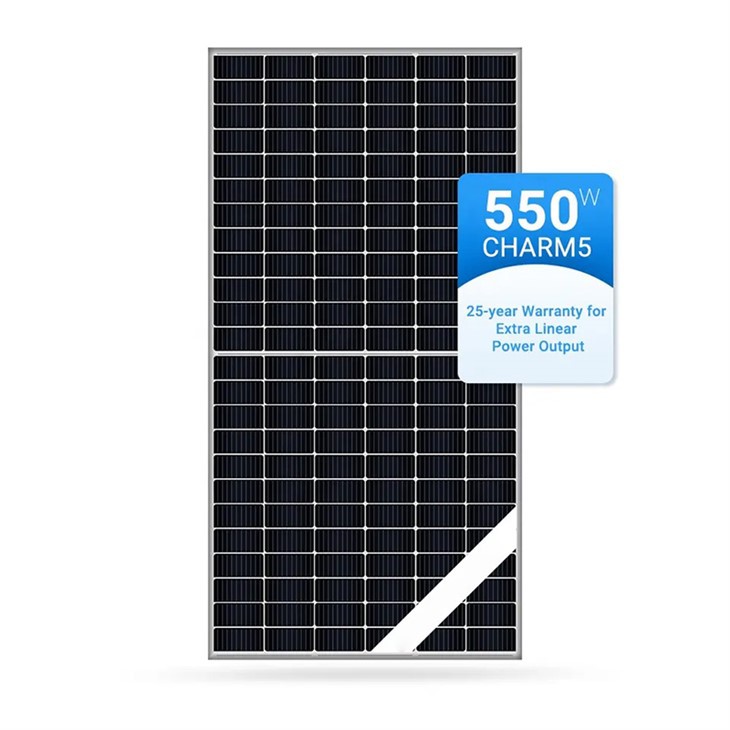
Solar panels are the key working component of a solar plant. Each solar panel comprises photovoltaic cells (PV cells) placed between semiconducting materials (like silicon). A current field is generated when photons in the sunlight fall on this material – a process called the photoelectric effect. This results in the generation of direct current or DC electricity.
Bi-directional Inverter
The direct current of electricity passes through the inverter and comes out as alternating current (AC). Bi-directional inverters also work to stabilise the output voltage. If you choose to buy a battery bank, this type of inverter will facilitate AC to DC conversion for battery charging.
AC Breaker Panel With Fuses
This type of panel provides a single platform for not only the domestic supply of electricity but also for inverter and filter connections.
Charge Controller
It prevents overcharging of the battery and helps prolong the lifespan of your PV system.
Electric meters
The purpose of electric meters is to bill and quantify the energy generated and used. Two meters are required in the working of a PV generator.
Safety switches and cabling
Safety switches (isolation switching and control) are required to disconnect both the AC side and DC side of the bi-directional inverter during testing and maintenance. Also, cabling is used to connect the different solar components together.
Electricity grid
On-grid solar systems are connected to the utility grid for the two-way flow of electricity between the grid and your solar plant under net metering.
Comparing Off-Grid And On-Grid Solar Power System
Difference #1: Accessibility to Electricity
A grid-tied solar system, being connected to your supply grid, ensures constant access to electricity. It absorbs and converts solar energy directly on sunny days, and during cloudy periods, it automatically switches back to your supply grid.An off-grid system's electricity access relies solely on two sources: sunlight and the energy stored in your battery bank. In cases of inadequate sunlight, you have only the stored energy in your battery bank to power your home.
Difference #2: Handling of Excess Energy
When grid-tied systems generate more energy than required, the surplus energy is sent back to the supply grid, earning electricity credits. This process, known as net metering, is mandatory in most states.In contrast, off-grid systems store any extra energy directly in the batteries, which can be utilized during cloudy days or when the sun isn't enough to power the panels.
Difference #3: Power Outage
Grid-tied systems during power outages with no sunlight, you'll be devoid of electricity unless you have a battery bank or generator.Off-grid systems, operating independently of the grid, remain unaffected by grid power outages.

Difference #4: Electricity Bills
Even with a grid-tied system, minimal charges such as a service fee for connecting your solar system to the grid and demand charges for peak usage periods will appear on your electricity bill.With off-grid systems, being entirely self-reliant, you can forget about electricity charges and bills altogether.
How to Choose On-Grid Solar Power System
Seek Expert Advice And Conduct Your Research
Installing a solar power system for your home is a significant investment. This means you cannot make a random choice based on impulse buying or irrational decision-making. Don't let commercials and advertisements appearing on your television or mobile screen sway your decision while choosing which company to select.Consult a professional about the steps you need to take in the whole process of building a solar power system for your home. When installing or fitting your solar power system, skilled specialists can help you prevent costly blunders.
Take Into Consideration The Available Space
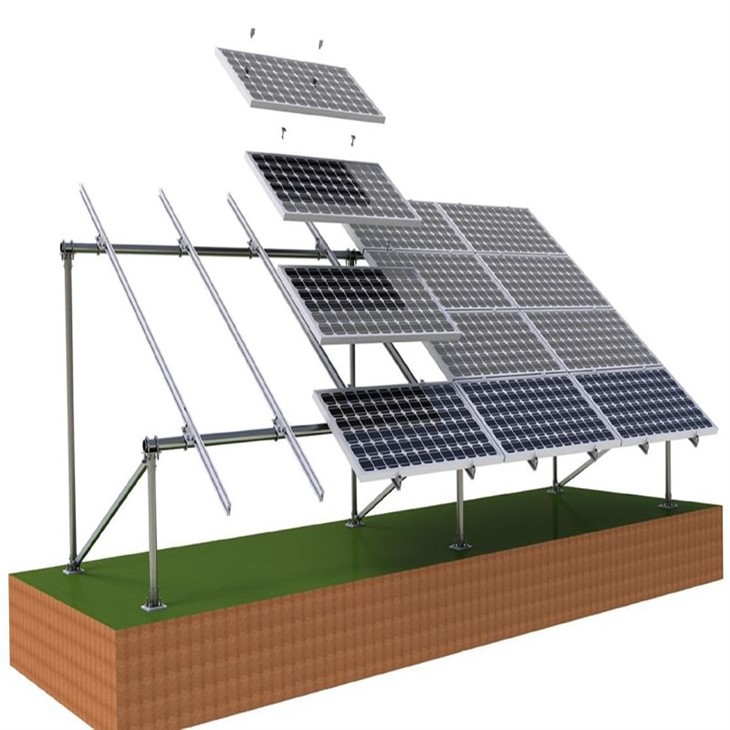
Make sure there is adequate space for a solar system in your home as you will be committing your time and money to it. The number of panels you'll need to power your home will also depend on your past energy usage. You must also decide where to put the solar panels. Will you install them on the roof, put them down, or will you choose both?It's vital to keep an eye on the sun's direction and determine whether the location you choose for the solar panels receives enough sunshine each day. Avoid installing your system where nearby buildings' shadows fall during the day.
Choose The Most Feasible Solar Panel System For You
There are three types of residential solar systems depending upon the demand and requirements of the consumers. These types include on-grid, off-grid, and hybrid solar systems.
Compare The Prices
Before purchasing, make sure you are well-informed of the cost of installing solar panels. A residential solar system might be pricey, hence people should consider it an investment that will continue to yield returns until the sun literally keeps shining in the sky. The cost of the equipment is high, and the overall procedure might be much heavy on the pocket. You will likely need to hire a professional to install them, and all of them would charge a different price depending upon your solar panel type and consumption. You must be aware that while your monthly electricity cost will reduce, the initial investment will take a while to recover.
Carefully Decide On The Size Of The Panels
Once the number of solar panels your home needs is determined, you may evaluate whether your current spending plan will accommodate all of the expenditures the project would incur. Production capacity and panel size are significant considerations. You ought to select a panel with a larger size. But bear in mind that many huge panels generate nearly the same amount of energy as the smaller ones despite their larger size. So, choose the solar panel that may generate more energy as compared to others.
Warranty And Certification
Make sure you do your research as a home solar system should be purchased only from authorized suppliers. Firstly, you need to verify if they are licensed to perform such installations. Warranty claims are also an important consideration. Just because a seller is offering a longer warranty period doesn't mean you should purchase poor-quality solar panels and inverters from him. It is pretty obvious that you'd search for affordable solutions when selecting a solar power system for your home. However, avoid buying solar panels that are absurdly inexpensive or sub-standard. Instead, search for the ones that will offer the highest return on your investment.
How Does On-Grid Solar Power System Works?
This system works in two-ways-the supply of electricity can flow from the grid to which it is connected to the user's home and from the user's home to the grid. This feature makes the on-grid solar system affordable and highly useful. The solar panels, installed on the user's home are‘tied' to the grid.The solar panels convert sunlight into electric energy, which is Direct Current (DC). This current is then sent to an inverter. The solar inverter then converts the DC to Alternating Current (AC), thus making it power the electrical items. This electricity is then routed to the grid where it is supplied for day to day use. The grid tied inverter additionally regulates the amount and voltage of electricity fed to the household since all the power generated is mostly much more than a home needs or can handle. An important feature is the net meter. It is a device that records the energy supplied to the grid and the energy consumed. At the end of each month, the outstanding is recorded and the consumer is provided with a bill. This‘converted' power supply is then used by homes through the main electricity distribution panel.
How to Maintain On-Grid Solar Power System
Check And Clean Your Solar Panels Regularly
Solar panels are essentially the powerhouse of your off grid solar system. Their efficiency determines how much sunlight is converted into usable energy. Over time, external elements such as dust, bird droppings, pollen, or even snow can accumulate on the panels. This layer of debris can obstruct sunlight, leading to a decrease in the overall energy output.Thus, regularly checking and cleaning your panels is crucial to uphold their efficiency. Before you start, turn off the system first to ensure safety.
Monitor The Charge Controller
The charge controller serves as a pivotal component in any solar energy setup. Its main job is to regulate the power moving between the solar panels and the batteries, preventing potential issues like overcharging or excessive draining. Overcharging can significantly reduce the battery's lifespan and might lead to dangerous situations like battery leaks or explosions. On the other hand, letting batteries discharge too much can cause them to fail prematurely.Regularly inspecting the charge controller ensures it's operating correctly. Check the settings and ensure they align with the recommended voltage for your specific battery type.
Maintain Your Batteries
Solar batteries store energy for use during non-sunny periods. Their health directly influences the reliability and performance of the entire setup. Over time, especially in lead-acid batteries, water levels can decrease. Regularly checking these levels ensures your batteries function optimally. If they're low, topping off with distilled water is essential. But remember, only distilled water should be used, as tap water contains minerals that might harm battery cells.
Protect Your System From Extreme Weather
Extreme weather poses significant challenges to the durability and efficiency of a solar power system. Whether it's raging storms, heavy snowfall, or intense heat, each condition can impact the system's components differently. For starters, anchoring solar panels securely prevents them from being dislodged during strong winds or storms. Well-protected cables and connections are also essential as they reduce the risk of water damage or disconnections during harsh conditions. For those in snowy regions, angled installations are a smart choice, promoting easy snow slide-off and reducing weight on the panels.
Install Surge Protectors
Electric surges, often caused by lightning strikes or power line issues, can send a dangerous electricity overload through your setup. Without protection, this overflow can damage or destroy sensitive solar components, leading to costly repairs or replacements.Installing surge protectors diverts these excessive currents from your system, ensuring its components remain safe. This small but critical investment offers peace of mind, especially during stormy weather or unpredictable electrical events. Most importantly, always opt for high-quality protectors, as they're more reliable in handling potential threats.
Schedule Professional Inspections
Professional inspections are a proactive approach to ensuring the optimal health of a solar power system. Even with diligent personal maintenance, certain issues might go unnoticed. Licensed solar technicians possess the knowledge and tools to diagnose and address such problems early before they escalate into costly repairs. They can also share insights about the latest maintenance practices or advancements in solar technology.
Professional Inspection of Grid-Connected Solar Power Systems Includes
01/
Running System Diagnostics
Regular system diagnostics can help you detect any potential issues with your solar energy system and make necessary repairs.
02/
Visual Inspection
Regular visual inspections of your solar panels, inverters, and other components can help you spot any physical damage that could affect their performance.
03/
Electrical Inspection
Having a professional perform a regular electrical inspection can ensure all your system's components are functioning properly and safely.
04/
Checking Connections And Parts
Regularly checking all connections and parts for corrosion can prevent damage and ensure optimal system performance.
05/
Keeping Panels Free Of Obstructions
Removing any debris or obstructions from your solar panels can prevent shading and ensure optimal energy production.
06/
Checking Switches
Regularly checking that all switches are working properly can help you detect any issues before they cause more serious problems.
07/
Securing Cables And Fittings
Making sure all cables and fittings are secure can prevent damage to the system, its components, etc.
08/
Testing Emergency Shut-off
Regularly testing the emergency shut-off ensures it will function properly in an emergency.
Our factory
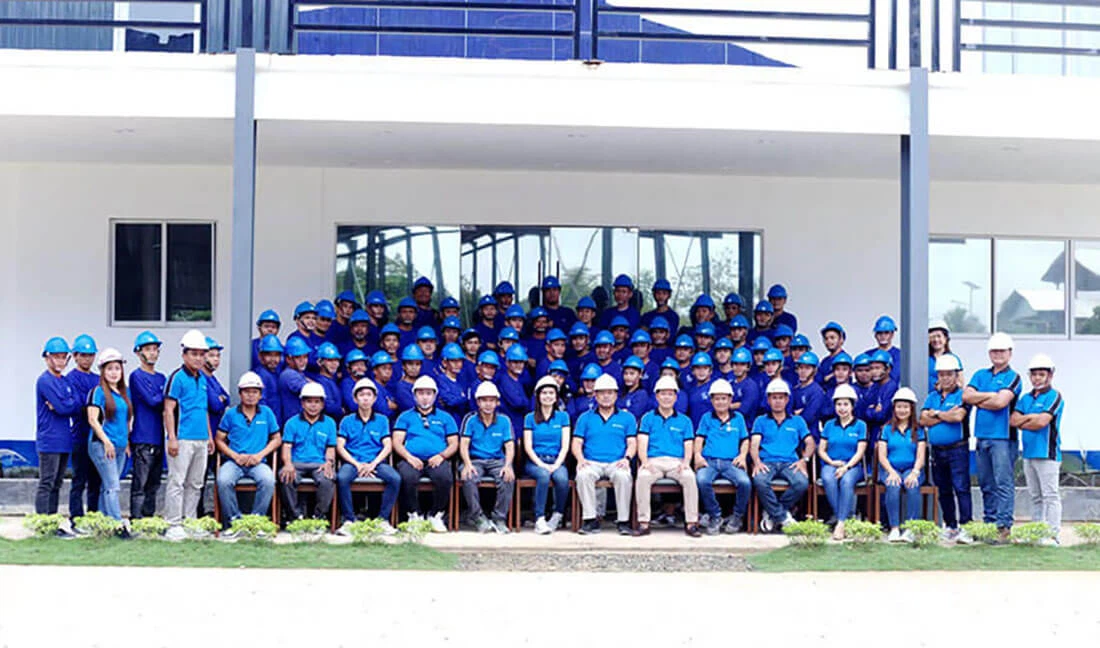
D.T. MULTI TECH Co., Ltd. is a leading player in the Chinese solar industry, based in Xiamen, Fujian. Specializing in comprehensive photovoltaic solutions, our diverse product range includes inverters, solar panels, energy storage batteries, and mounting structures.Collaborating with renowned brands like Growatt, Kingdom, Trina Solar, and others, our diverse product line includes various energy storage solutions, such as wall-mounted, integrated, and containerized options.With a state-of-the-art manufacturing center boasting an annual capacity of 10GW, we are a high-tech enterprise committed to research and development, production, and global distribution in the field of photovoltaic new energy.
FAQ
Q: How much area do I need to install a 1 kW system?
A: Installing a basic 1 kW on-grid solar system requires a ten sq. metres area, getting no shadow from trees or adjacent buildings. However, the exact requirement may vary based on the efficiency of solar panels, the mounting structure, etc.
Q: Does the area have to be shadow-free for solar module installation?
A: Unfortunately, yes. The solar cells within panels need unhindered and continuous sunlight to generate electricity at their peak efficiency level. Therefore, the shadow cast on even a small area on the panels will impact the on-grid system's total capacity. Moreover, if some cells constantly receive shadow, this reduces the lifespan of your solar panels substantially, rendering them useless over time.
Q: Is my roof suitable for installing a grid-connected solar system?
A: Yes. Generally, a rooftop solar plant can be easily installed on any type and size of the roof, given that the structure is strong enough to bear the weight of a solar plant. A roof assessment by your solar company will help you rule out all the major roadblocks to getting solar.
Q: Will my RTS generate the same amount of energy output all year round?
A: No. Several factors determine the daily energy production from on-grid solar systems for homes. The temperature during different weathers, solar radiance, location, and many other parameters can reduce and even increase the daily output beyond the standard range.
Q: Will my on-grid solar power system give the same annual energy for all 25 years?
A: No. Your solar modules suffer degradation, and eventually, their peak generation capacity is compromised due to constant exposure to sunlight and daily wear. However, you can expect them to stay in their best condition for the maximum duration of their lifespan. Nevertheless, you can rest assured as your installer will cover your solar panels under a performance warranty.
Q: Is maintaining an on-grid solar system for home costly?
A: Solar PV technology is the most suitable power generating system for homes as it's affordable and easy to maintain. You can keep your solar plant in its best condition throughout its 25 years of lifespan with little maintenance and servicing. Your solar company should also be ablse to offer ongoing packages to take the hassle out of your system's regular maintenance needs.
Q: I live in a rented house. Is on-grid solar system installation beneficial for me?
A: Yes, renters too can go solar. Even if you don't own the house, you can still leverage solar benefits. You can either convince your landlord to transition to solar, invest in community solar, or lease your solar plant that comes with zero or no upfront cost or maintenance hassle.
Q: Which is better off-grid or on-grid solar system?
A: Most of the time, on-grid solar systems are the least expensive choice. You'll be able to save money on your regular electricity bill and make money through credits. Off-grid is harder to do and costs more up front because it needs more tools, like expensive battery banks, to work.
Q: What is an on-grid solar system?
A: On-grid means your solar system is tied to your local utility's GRID. This is what most residential homes will use because you are covered if your solar system under or over-produces in regard to your varying energy needs. All this means for you is that your utility system acts as your battery space.
Q: Why is on-grid system best?
A: Cost of a On-grid solar system is lower than other types of solar systems because there are no batteries. It also generates the highest amount of power compared to other types of solar systems. The minimal maintenance and reduction in monthly power bills ensure the customer gets an ROI of 25 – 30%.
Q: What happens when the grid goes down with solar panels?
A: Since a grid-tied solar system must turn off (by National Electric Code) when the grid goes down, installing rooftop solar panels doesn't guarantee that you will have power during a grid outage. However, if you combine your solar system with battery storage you can tap into stored solar power during a power failure.
Q: How much does on grid solar cost?
A: In general, a 1kw On Grid Solar System can cost anywhere from 60,000 to 80,000. The cost of a 1kw On Grid Solar System is affected by the number of panels, the type of inverter, the type of mounting system, and other components.
Q: How does a solar grid work at night?
A: So technically speaking, solar panels do not work at night, because there is no sun. Unless you are storing it, your excess (unused) solar power is being fed back into the grid. At night, your solar panels are inactive and you are using grid power to power your home.
Q: Which is better on-grid off-grid or hybrid?
A: Hybrid systems are better in terms of reliability while on-grid solar systems are a plus for people on a budget. You can select which solar system would be better for you— as per your needs, after going through this comprehensive explanation of both systems.
Q: Can off-grid solar system work without batteries?
A: Yes, it is possible to use a solar panel and inverter without a battery. In this configuration, the solar panel will convert sunlight into DC (direct current) electricity, which will then be converted into AC (alternating current) electricity by the inverter.
Q: How long can a house run on solar power alone?
A: With a home battery alone, you could power your basic amenities for about a day or two in the event of a power outage. It really depends on how much energy you use in a day. It's possible for most households to limit their electrical consumption to around 5 or 6 kWh per day.The average off-grid home usually requires about 7 Kw (or 7000 Watts) of power to rely entirely on its own energy production. Solar panels come in various forms, shapes and sizes.
Q: How many solar panels do I need to run off-grid?
A: Most data suggests that a typical American home (2,000 square feet home) consumes approximately 11,000 kilowatt-hours annually. So, when we divide our total consumption by the expected output of one solar panel, we see that roughly thirteen solar panels of this size would be enough to power a home of that size.
Q: How much is a battery backup for solar?
A: The total solar battery price will depend on the battery size and type. A standard home solar panel backup system cost can range between $7,400 and $30,000, depending on the brand and battery type. Installation costs for labor and equipment can add another $3,000 to $4,000 to the solar panel battery cost.
Q: How long will a solar battery last during a power outage?
A: In a power outage a fully charged 10 kWh battery should allow you to power your home for 24 hours. However, it is important to not entirely drain all the energy of the battery. Keeping a 5%-10% charge on your battery ensures that it remains healthy and has enough energy to start up in the morning.
Q: What is the main problem of solar panel?
A: Solar panel connection issues are often caused by faulty wiring. The most common problem is a loose connection between the wires and the terminals on either the solar panels or the inverter. This can be due to corrosion, damage, or simply a poor connection.The industry standard for most solar panels' lifespans is 25 to 30 years. Most reputable manufacturers offer production warranties for 25 years or more.
Xiamen D.T. Multi Tech Co., Ltd. is one of the most professional on-grid solar power system manufacturers and suppliers in China, we're featured by quality products and good service. Please rest assured to wholesale cheap on-grid solar power system from our factory.
50KW Commercial On Grid Solar System, Solar Power System, 50KW Commercial On-Grid Solar System