


Rated Output Power:1500-8000W
Rated Output Voltage:110/120/127V
Frequency:50/60Hz
IP Rating: IP21/IP54/IP65

Off-Grid Inverter
Company advantages
Quality Control
Our products have obtained multiple certifications. We regard quality as the life of the enterprise, and comprehensive control of the industrial chain ensures product quality.
Long Warranty
We assure 12 years limited warranty on materials and workmanship, 10 years limited warranty for 90% linear power output, 25 years limited warranty for 80% linear power output warranty.
One-stop Solution
We focus on photovoltaic system design, research and development, production and provide customers with high-quality photovoltaic installation, commissioning.
Quality Services
We provide high-quality services that meet the highest industry standards. We follow best practices in our work processes and adhere to strict quality control measures to ensure that we deliver the best results to our clients.
What is Off-Grid Inverter
An off-grid inverter is, as the name implies, a solar inverter that is off the grid, meaning that it works alone and cannot work with the grid.The off-grid solar inverter draws energy from the battery, transforms it from DC to AC, and then outputs it as AC. In a hybrid system, the off-grid inverter can be used to create the grid. Then, to run most or all of the electricity, utilize a grid-tied inverter.Completely independent of the grid and can install in locations where access to the utility grid is not possible.
-
![Waterproof Off Grid Inverter]()
-
![Solar Inverter For Off-Grid Applications]() Solar Inverter For Off-Grid ApplicationsRated Output Power:1500W / 1800VA;3000W / 3600VAread more
Solar Inverter For Off-Grid ApplicationsRated Output Power:1500W / 1800VA;3000W / 3600VAread more
Rated Output Voltage:220/230/240Vac (L,N,PE)
Frequency:50/60Hz
IP Rating:IP21 -
![Off-grid Energy Storage Inverter]() Off-grid Energy Storage InverterCapacity:3.5KVA/3.5KW;5.5KVA/5.5KW;6.2KVA/6.2KWread more
Off-grid Energy Storage InverterCapacity:3.5KVA/3.5KW;5.5KVA/5.5KW;6.2KVA/6.2KWread more
Nominal Voltage:220/230VAC±5%
Frequency:50/60Hz
Battery Voltage:24VDC/48VDC
Solar Charger Type:MPPT -
![6kw Off Grid Solar Inverter]() 6kw Off Grid Solar InverterNominal Voltage:240Vacread more
6kw Off Grid Solar InverterNominal Voltage:240Vacread more
Frequency:50/60HZ
Max PV Amy Open Circuit Voltage Range:500Vdc
Start-up Voltage: 120Vdc -
![5KW Off-Grid Solar Inverter]() 5KW Off-Grid Solar InverterThe 5kW Pure Sine Wave 48V Off-Grid Solar Inverter provides reliable, independent power. With integrated MPPT and wide battery compatibility, it optimizes solar harvesting and off-grid storage.read more
5KW Off-Grid Solar InverterThe 5kW Pure Sine Wave 48V Off-Grid Solar Inverter provides reliable, independent power. With integrated MPPT and wide battery compatibility, it optimizes solar harvesting and off-grid storage.read more -
![8KW Off-Grid Inverter]() 8KW Off-Grid InverterThe 8KW Off-Grid Solar Inverter is a remarkable solution tailored to enhance your energy independence. This innovative inverter offers a plethora of advantages, placing you in a favorable position...read more
8KW Off-Grid InverterThe 8KW Off-Grid Solar Inverter is a remarkable solution tailored to enhance your energy independence. This innovative inverter offers a plethora of advantages, placing you in a favorable position...read more -
![3KW Off-Grid Solar Inverter]() 3KW Off-Grid Solar InverterIntroducing the 3KW Off Grid Solar Inverter – your key to seamless energy independence. With efficient solar power conversion and advanced safety features, it ensures uninterrupted electricity,...read more
3KW Off-Grid Solar InverterIntroducing the 3KW Off Grid Solar Inverter – your key to seamless energy independence. With efficient solar power conversion and advanced safety features, it ensures uninterrupted electricity,...read more -
![12KW Off-Grid Solar Inverter]() 12KW Off-Grid Solar InverterThe 12kW Off-Grid Solar Inverter is a versatile solution designed for optimal energy management. Featuring an integrated MPPT charge controller, it maximizes energy conversion efficiency from...read more
12KW Off-Grid Solar InverterThe 12kW Off-Grid Solar Inverter is a versatile solution designed for optimal energy management. Featuring an integrated MPPT charge controller, it maximizes energy conversion efficiency from...read more -
![10KW Off-Grid Solar Inverter]() 10KW Off-Grid Solar InverterDiscover the exceptional features of our 10KW Off-Grid Solar Inverter, designed to empower you with efficient, reliable, and customizable power solutions.read more
10KW Off-Grid Solar InverterDiscover the exceptional features of our 10KW Off-Grid Solar Inverter, designed to empower you with efficient, reliable, and customizable power solutions.read more


Off-grid inverters are essential components in standalone solar systems. They excel at converting DC power from solar panels or batteries into AC power for use in remote areas or during power outages. These inverters often feature advanced voltage and frequency control, ensuring reliable and efficient off-grid energy supply for homes, cabins, and remote installations.
Benefits of Off-Grid Inverter
Independent Power Generation
Off-grid inverters enable buildings to generate power independently of the public grid. In emergencies, off-grid inverters can operate independently to provide a power supply, which is particularly useful for those in remote or unstable power supply areas, medical facilities, emergency services, and critical infrastructure. In addition, off-grid inverters can also be used in mobile homes, such as campervans or boats, enabling them to be supplied with electricity without a grid connection.Off grid solar inverter
Energy Independence
Solar systems using off-grid inverters can increase energy independence. This means that a home or business can reduce its dependence on fossil fuels, thereby lowering energy costs and reducing carbon emissions. Off-grid inverters enable users to supply power independently of the main grid. This is particularly important for those living in remote areas or where the main grid is unstable. Off-grid inverters also provide backup power for emergencies.
Environmentally Friendly
Off-grid inverters are used in conjunction with solar panels, which are a clean source of energy. Off-grid inverters do not produce noise or emit pollutants, which allows the off-grid inverters to be widely used in urban and sensitive environments as well, helping to improve the quality of the environment. As a result, off-grid inverters help reduce the need for fossil fuels, lowering greenhouse gas emissions and helping to combat the problem of climate change.
Renewable Energy Storage
Some off-grid inverters have an energy storage feature that allows them to store excess solar power in a battery. This allows solar systems to continue to supply power at night or on cloudy days, increasing the availability of renewable energy. Off-grid inverters work perfectly with solar photovoltaic and wind power systems to convert renewable energy into usable electricity. This helps to reduce dependence on fossil fuels, reduces greenhouse gas emissions, and contributes to environmental protection.
Saving on Electricity Bills
Off-grid inverters allow building owners to generate their electricity. Off-grid inverters allow for efficient energy conversion and minimize energy waste. Off-grid inverters often feature sleep mode and automatic shutdown to further reduce energy consumption. Off-grid inverters are typically designed for long-lasting use and are highly reliable. Off-grid inverters are precision-engineered and tested to ensure stable operation under various environmental conditions. As a result, people can reduce or even eliminate expenses associated with electricity bills from the public grid. In addition, some regions offer government incentive programs to reward homes and businesses for using solar energy systems.
What are the Applications of Off-Grid Inverter
Home Solar Systems
In a home solar system, an off-grid inverter allows the homeowner to use solar electricity for power, hot water heating, heating, and other purposes. Such a system can significantly reduce electricity bills and provide renewable energy for the home.
Commercial Use
Off-grid inverters are also widely used in commercial environments such as office buildings, factories, and stores. Systems with off-grid inverters can help businesses reduce their energy costs, reduce their dependence on the grid, and demonstrate their commitment to sustainability.
Rural and Remote Areas
In remote and rural areas, the availability of the public grid is often limited. Off-grid inverters enable residents in these areas to utilize solar energy to meet their power needs and improve their quality of life.
Disaster Recovery
Off-grid inverters are also very useful in emergencies following natural disasters. Off-grid inverters can supply electricity to help people light up, recharge, and maintain communications while waiting for the grid to return to normal operation.
Types of Off-Grid Inverter
01
Pure Sine Wave Inverters
These inverters produce a smooth and consistent sine wave, closely matching the power quality of the grid. They are ideal for running sensitive electronic equipment without risk of damage or interference. Although they tend to be more expensive, their efficiency and ability to cleanly power a wide range of appliances make them a preferred choice for many off-grid systems.
02
Modified Sine Wave Inverters
A more cost-effective option compared to pure sine wave inverters, modified sine wave inverters produce a simpler, stepped approximation of a sine wave. While suitable for many basic appliances and tools, they may cause issues with more delicate electronics or devices that require a high-quality power source.
03
Hybrid Inverters
Hybrid inverters combine the functionality of a standard inverter with a battery charger and can connect to the grid if available. This flexibility allows for battery charging from either the grid or renewable sources and enables the system to function as both off-grid and grid-tied under different circumstances. They are an excellent choice for systems where grid connection might be intermittent or as backup power solutions.
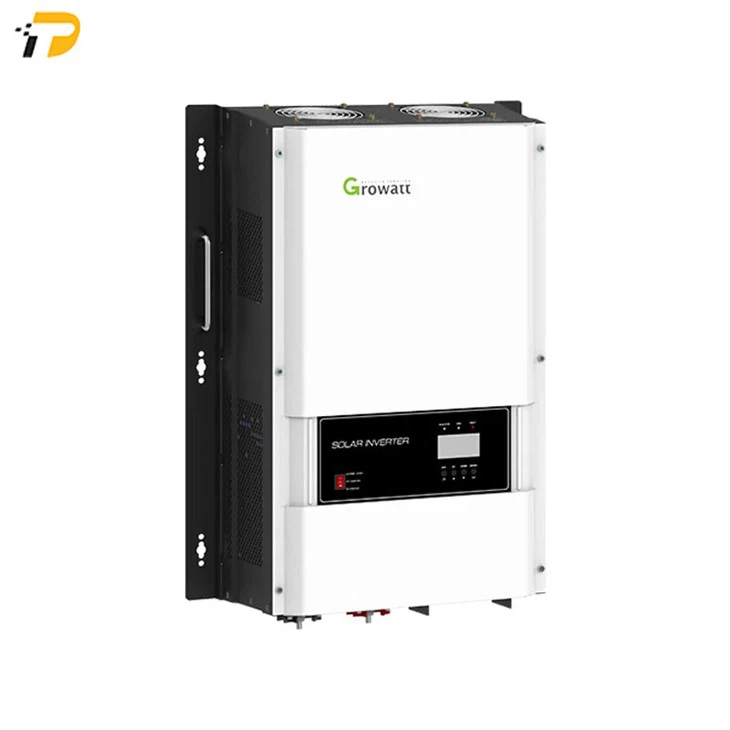
Components of Off-Grid Inverter
01/
DC Input
This is the input port of the off-grid inverter and is used to connect the solar panels. The DC input of an off-grid inverter usually includes a DC circuit breaker, insulation monitoring, and a DC disconnect switch to ensure the safe operation of the system.
02/
MPPT Controller
A maximum power point tracking (MPPT) controller is an electronic device used to track the optimal operating point of a solar panel to maximize power extraction. It constantly adjusts the operating point of the off-grid inverter by monitoring the input voltage and current to maximize power output.
03/
Inverter Circuit
The off-grid inverter circuit is the core part of the off-grid inverter, which consists of a series of power semiconductor switches, capacitors, and inductors used to convert DC energy to AC energy. These switches control the flow of electrical energy to produce the desired AC output.
04/
Controller
The controller of the off-grid inverter is its brain and is responsible for monitoring the system status, performing MPPT, managing the batteries (if any), protecting the system from faults and overloads, and enabling communication with other systems.
05/
AC Output
This is the output interface of the off-grid inverter, through which the converted AC energy is supplied to household appliances or the grid. It usually also includes safety features such as overvoltage protection, overcurrent protection, and ground fault protection.
06/
Data Communication Interface
Off-grid inverters typically have data communication interfaces that allow for system monitoring and remote control. These interfaces can be connected to a monitoring system or the Internet via wireless technology or a wired connection.
Features of Off-Grid Solar Inverters
Overload And Short-circuit Protection
They offer protection from damage due to short circuits and excess load, thus ensuring the longevity of the system.
Battery Charging Control
They are equipped with a feature that optimizes the charging of the battery and ensures that it is charged efficiently without being damaged, ultimately extending the life of the battery and ensuring optimal performance.
Remote Monitoring
This feature allows us to monitor the performance of the inverter remotely, using a computer or a mobile device. We can keep an eye on the performance of our system, detect any issues or malfunctions, and take action before they become major problems
Automatic Voltage Regulation
This feature ensures that the AC output voltage is stable and doesn't fluctuate, even if the load on the inverter changes. Thus ensuring that devices and appliances powered by the system receive a consistent and stable supply of electricity, which is crucial for their proper functioning.
Low Battery Protection
This feature allows the inverter to shut down automatically when the battery voltage drops below a certain level, preventing it from getting damaged. This feature ensures that the battery remains healthy and extends its life, while also preventing any damage to the inverter itself.
How do Off-Grid Solar Systems Work?
Solar Charge Controllers
Also known as charge regulators, these controllers regulate the amount of power flowing to the solar cells. This is necessary to avoid harming the batteries by overcharging them. A suitable charge controller is critical to keeping the batteries healthy, ensuring the maximum life of the battery pack. If you have a battery-based inverter, it will most likely have an integrated charge controller.Battery pack: A battery pack is essentially a group of batteries connected. It stores the power generated by the panel. A battery pack is important unless you like to live in the dark after sunset.
DC Connection Switch
All solar systems require AC and DC safety disconnects. An extra DC disconnect is built between the battery bank and the off-grid inverter for off-grid solar systems. It does use to interrupt the flow of electricity between these components. This is critical for preventative maintenance, troubleshooting, and electrical fires.
Off-grid Inverter
The solar charge controller and the battery bank both receive current from the solar panels. It is finally converted to AC power by the off-grid inverter. This regulates the current from the panel and converts it to AC for your equipment to use to turn on the power.
Backup Generator
If you live in a place that doesn't see sunlight all year round. Then you'll need to invest in a backup generator. Standby generators generally output AC power. AC power can be used through an inverter or converted to DC power and stored in the supply battery.
How to Choose Off-Grid Inverter


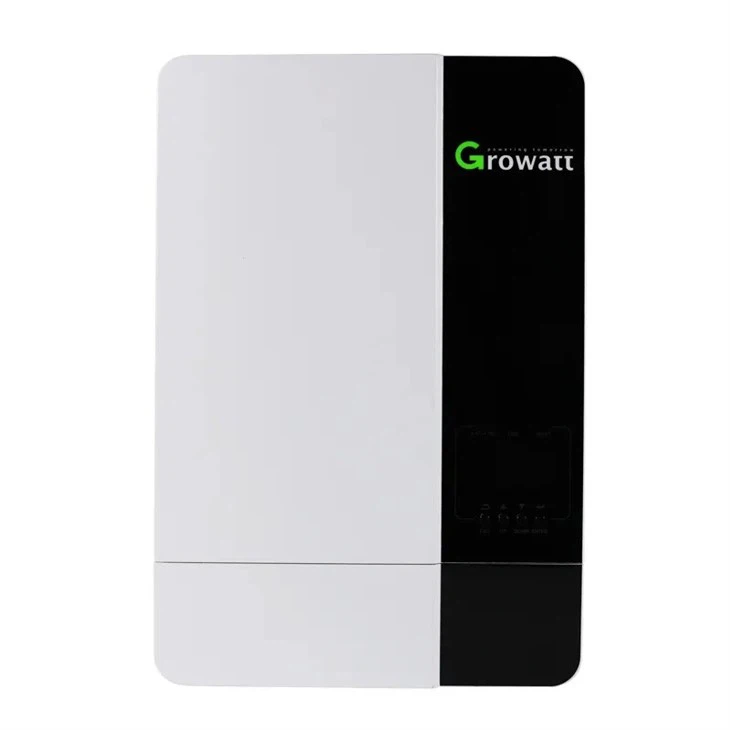
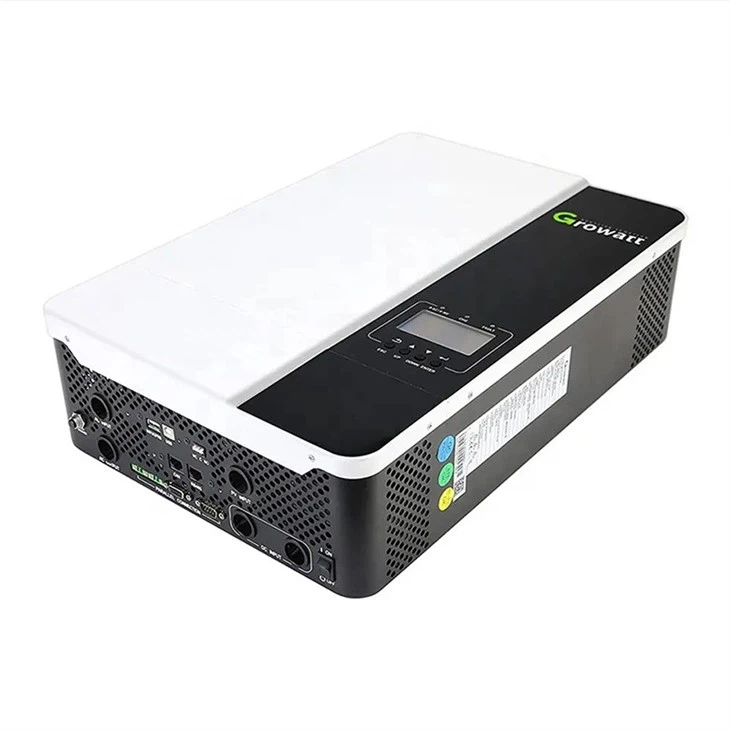
The Off Grid Solar Inverter Output Voltage And Frequency
This will base on your load requirements and usually its same as your country standard supply voltage/frequency.
Installing Off Grid Solar Inverter Or Hybrid Inverter
Most of off grid solar inverters and hybrid solar inverters have AC backup supply connection, so the inverter bypass to use it for feeding your loads in case of sun absence and batteries discharged. Moreover, you can use this AC backup supply to charge the batteries through internal solar inverter batteries charger.
The Off Grid Solar Inverter Output Power
Just add power consumption for all your loads together, and take care of the inductive loads like motors which have high inrush/surge current at starting period, make good oversizing to avoid under estimation and at the end, the off grid solar inverter power capacity should be 110-120% of your loads total power capacity. Like if your loads are 5kW, then off grid solar inverter power capacity should be 6000 watt and so on.
The iNverter Built In Solar Charge Controller Will Be MPPT or PWM
MPPT is technically better as its able to convert solar panels high voltage to lesser voltage, so it charges batteries with low losses (high efficiency), but it costs higher than PWM type. In the other side, if we can size PWM solar charge controller type properly according to solar panels specs, then we can confirm it will work as well as MPPT charge controller type.
Batteries Charging Requirements
These requirements are maximum batteries charge voltage and cut off voltages, and those 2 values should match solar of grid inverter program range.
Solar Array Max Output Voltage and MPPT Trackers
The PV max DC output voltage must not exceed the inverter max DC input voltage listed in its specs, and MPPT trackers refer to how many inputs the inverter accepts, it will be indicated based on how large is your solar array, and it will ensure better maximum power point tracking performance.
Backup Power Supply (Generator) Starter
They are just 2 wire dry contact to start the generator when the inverter was working on DC priority mode and experienced low batteries voltage, so it sends signal to start the backup supply (generator).
How to Maintain Off-Grid Inverter
Regular Visual Inspection
Start with a visual inspection of your solar inverter. Look for any signs of physical damage, loose wires, or unusual wear and tear. Ensure that the inverter is clean and free from debris. Dust and dirt can accumulate over time and affect its performance. Clean it gently with a soft brush or cloth if necessary.
Monitoring Software
Many modern solar inverters come with monitoring software that allows you to track your system's performance remotely. Regularly check this software to ensure your system is producing the expected amount of electricity. Any significant deviations could indicate a problem with your inverter.
Keep It Cool
Solar inverters can generate heat during operation. Ensure that the inverter has proper ventilation to dissipate this heat effectively. Avoid installing it in direct sunlight or near other heat sources, as excessive heat can reduce its lifespan.
Protect from the Elements
Your inverter should be installed in a sheltered area to protect it from rain, snow, and direct sunlight. Exposure to the elements can cause damage and reduce its efficiency. Regularly check for water ingress and signs of corrosion.
Tighten Connections
Loose electrical connections can lead to inefficiencies and may even cause your inverter to fail. Periodically inspect and tighten all electrical connections, including DC and AC terminals. Be cautious and follow safety guidelines when doing this.
Read the Manual
The manufacturer's manual is your best friend when it comes to maintaining your solar inverter. It contains specific maintenance instructions and troubleshooting tips tailored to your model. Keep it handy and follow the recommended maintenance schedule.
Professional Inspections
While you can perform some basic maintenance tasks, it's a good idea to have a professional inspect your solar inverter at least once a year. They can identify potential issues that might not be apparent during your routine checks and ensure your system is safe and efficient.
Check for Software Updates
Inverter manufacturers often release firmware updates to improve performance and address potential issues. Check for updates regularly and install them as recommended by the manufacturer. Keeping your inverter's software up-to-date can enhance its longevity and efficiency.
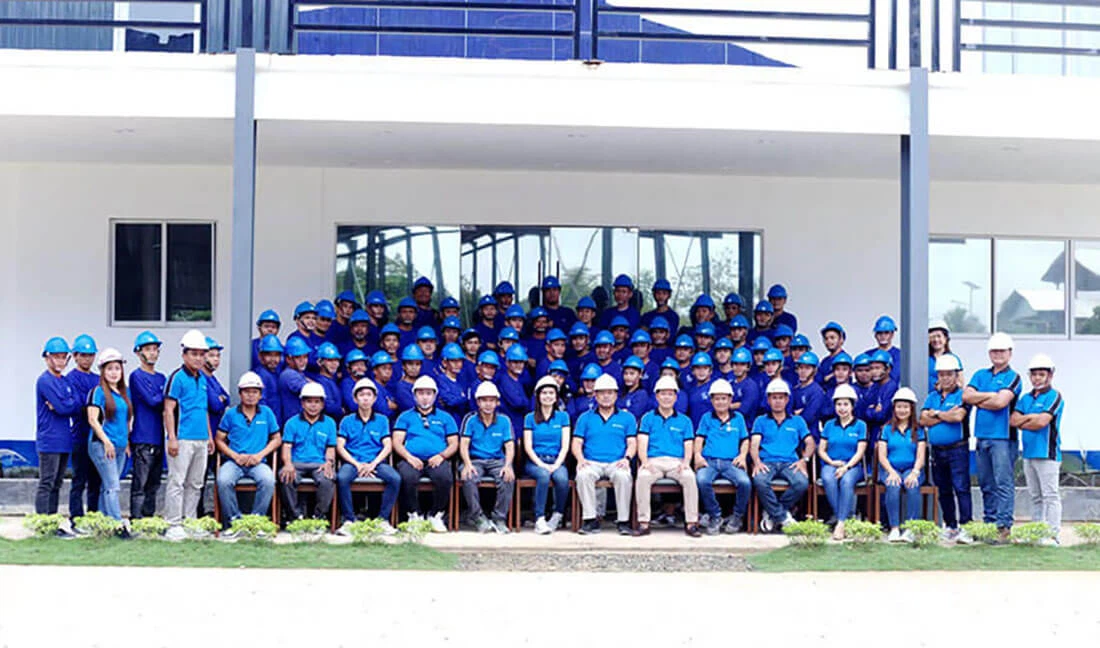
Our factory
D.T. MULTI TECH Co., Ltd. is a leading player in the Chinese solar industry, based in Xiamen, Fujian. Specializing in comprehensive photovoltaic solutions, our diverse product range includes inverters, solar panels, energy storage batteries, and mounting structures.Collaborating with renowned brands like Growatt, Kingdom, Trina Solar, and others, our diverse product line includes various energy storage solutions, such as wall-mounted, integrated, and containerized options.With a state-of-the-art manufacturing center boasting an annual capacity of 10GW, we are a high-tech enterprise committed to research and development, production, and global distribution in the field of photovoltaic new energy.
FAQ
Q: How long do off-grid inverters last?
A: How long do solar inverters last? String solar inverters have a life expectancy of 10-15 years and microinverters can last for 20-25 years.The 750W inverter sold by PowMr is a small and medium-sized power inverter, which can generally run laptops, printers, speakers, routers, portable fans, LED lights, refrigerators, 600W microwaves, mixers and other household appliances.
Q: What not to do with an inverter?
A: DO NOT operate the inverter if you, the inverter, the device being operated, or any other surfaces that may come in contact with any power source are wet. Water and many other liquids can conduct electricity which may lead to serious injury or death.
Q: What size inverter do I need for off-grid house?
A: For example, if you're going to be running a TV (200W), fridge (500W), and hair dryer (1000W) simultaneously, you'll need an inverter that supports 1700W continuous draw (unless you want to constantly be switching things off and on), so we would recommend getting a 2000W inverter.
Q: Is it must to leave my inverter on all the time?
A: Yes, you should keep your inverter ON all the time. Otherwise, you will lose your battery backup time due to the self-discharge of batteries. You will need to start the inverter manually every time when grid power failed.
Q: How long do off-grid inverters last?
A: How long do solar inverters last? String solar inverters have a life expectancy of 10-15 years and microinverters can last for 20-25 years.Analysis reveals that the failure rate within the first two years of operation stands at approximately 0.89% for string inverters (9 in 1000 units), in contrast to a markedly lower rate of 0.0551% for microinverters (less than . 55 in 1000 units).
Q: Does an inverter use power if nothing is plugged in?
A: Every inverter has no load consumption, you can also call it the Idle consumption, standby consumption which meaning that it is consuming power from the battery even when it is in standby mode.Therefore, using a 12 volt, 100 Ah battery, a 2000 watt inverter will run for approximately 36 minutes. Based on the calculation above, we can conclude that a 2000 watt inverter will run for approximately 36 minutes on a 12 volt battery.
Q: Which is the best place to keep inverter at home?
A: Direct sunlight will reduce its lifespan. A cool garage is best. The installer should also try to place the inverter as close to the meter as possible - to reduce voltage drops (and efficiency losses). However, if you have to choose between a shaded location and being close to the meter, being shaded is more important.
Q: What happens to grid tied inverter when grid power is off?
A: However, there is a downside to grid-tied systems. Because they are connected to the electric grid, they're required to shut off when the grid goes down - even though they can still, technically, produce electricity. While this may be frustrating, it's for a good reason.
Q: How long will a 200Ah battery run a 2000W inverter?
A: Your 2000-watt inverter can run through a 200 amp-hour battery in an hour when running at full power. However, 2000 watts is a lot of power to maintain for an hour straight. You'll need sufficient batteries to maintain your power supply while your solar panels aren't providing any power.
Q: How many batteries do I need for a 750 watt inverter?
A: Hour battery at the 20 minute (rather than 10 hour) rate gives up much of its capacity - lets say it can handle 10 amp. hours. That would be 30 amps for 20 minutes, but you need more than that. 750 watts from 12 volts calls for more than 63 amps, so you would need three batteries at least.
Q: Will a 1000W inverter power a fridge?
A: If an inverter has a 1,000-watt power rating, it can run any and all appliances that consume up to 1,000W. A surge power is the maximum power that the inverter can handle for a short period of time. A refrigerator can take up to 3,000W to start up even if it requires only 300W to work.Backup. The 3000-watt generator is a reliable home or office back up power source during power disruption or outages. These generators can produce enough power to run the essential appliances and items, such as refrigerators, freezer, lights, computer, phones and critical equipment for the elderly or sick.
Q: Do inverters draw power when switched off?
A: Does the inverter consume power when it is turned off? Yes, the battery inverter still consumes some power when turned off. This is because the pure sine wave inverter needs to keep some circuits and electronic components on standby so that it can start up quickly when needed.
Q: Can an inverter be too big for a battery?
A: Using an inverter that is significantly larger than the power requirements of your appliances can lead to reduced efficiency. Oversized inverters may operate at lower efficiency levels, resulting in wasted energy and increased operating costs.
Q: Do inverters drain battery when turned off?
A: When your engine isn't running, the battery is responsible for providing power to the electrical system. This is why leaving the headlights on overnight drains the battery down to nothing. The same thing happens if you use an inverter when you're parked.
Q: What can burn an inverter?
A: (1) Too much conductive dust such as metal causes the main circuit to be short-circuited. (2) The temperature of the cooling fin is too high to cause tripping and burning. (1) The toggle switch and the relay are in poor contact due to corrosive gas. (3) Corrosion of terminals causes short circuit of main circuit.
Q: Are inverters bad for batteries?
A: Inverters draw electrical power from the battery to convert it into AC power. If the power demand exceeds the battery's capacity, it can cause excessive discharge, leading to reduced battery lifespan or even permanent damage.In short, there are many reasons for inverter burnout, which are usually related to excessive temperature, over-voltage, over-current, load, etc.
Q: How big of a battery do I need to run a 2000W inverter?
A: Total 850 A H battery is needed. whose discharge rate will be 5 Hour rated. You can install 4 nos 200 AH battery for this inverter if it is fully loaded to 2000 watt. Discharge rate of the battery must be 5 Hour rated or battery is inverter duty grade.To make up a 2kW solar system you need 8 solar panels, assuming that you use 250W panels (415W panels are a little larger, but of course you don't need as many of them).
Q: How far can inverter be from battery?
A: How far can I keep my inverter from my batteries? Keep the cables between your inverter and batteries as short as possible. This will help your batteries perform their best and keep the unit's signal clean. The cables that come with the inverter are “rated” or good for up to six ft.
Q: Is it safe to sleep near inverter?
A: There is no established evidence of health effects from exposure to electric and magnetic fields at the levels near solar inverters. If you want to reduce your exposure the simplest way may be to increase the distance between you and the inverter.The overcharging causes bulging and blasts and undercharging reduce the backup time of the inverter and UPS. Also, the local UPS and Inverter manufacturer is making the product without much awareness, which also become one reason for battery blast.
Q: Why are inverters so inefficient?
A: The efficiency of an inverter varies with the load. Typically, it will be highest at about two thirds of the inverter's capacity. This is called its “peak efficiency.” The inverter requires some power just to run itself, so the efficiency of a large inverter will be low when running very small loads.
Xiamen D.T. Multi Tech Co., Ltd. is one of the most professional off-grid inverter manufacturers and suppliers in China, we're featured by quality products and good service. Please rest assured to wholesale cheap off-grid inverter from our factory.
Off Grid Inverter, 12KW Off Grid Solar Inverter, 10KW Off Grid Solar Inverter