


Nominal AC Output Power: 350kW
IP Class: IP 66
Display: LED,Buletooth+APP
Cooling Type:Fan Cooling
Hybrid Inverter
Company advantages
Quality Control
Our products have obtained multiple certifications. We regard quality as the life of the enterprise, and comprehensive control of the industrial chain ensures product quality.
Long Warranty
We assure 12 years limited warranty on materials and workmanship, 10 years limited warranty for 90% linear power output, 25 years limited warranty for 80% linear power output warranty.
One-stop Solution
We focus on photovoltaic system design, research and development, production and provide customers with high-quality photovoltaic installation, commissioning.
Quality Services
We provide high-quality services that meet the highest industry standards. We follow best practices in our work processes and adhere to strict quality control measures to ensure that we deliver the best results to our clients.
What is Hybrid Inverter
A hybrid inverter is an all-in-one inverter that incorporates both a solar and battery inverter in one simple unit. This enables storage of excess solar energy in a battery system for self-use. Hybrid inverters function like a common grid-tie solar inverter but can generally operate in one of several different modes, depending on the application. This includes battery backup mode, which provides a limited level of backup power in the event of a blackout. Most hybrid inverters can operate without a battery and function like a grid-tie solar inverter by exporting excess solar energy to the electricity grid.
-
![350kw Three Phase Inverter]()
-
![10kw HYBRID SOLAR INVERTER]() 10kw HYBRID SOLAR INVERTERRated Output Power: 4.3-12.3kwread more
10kw HYBRID SOLAR INVERTERRated Output Power: 4.3-12.3kwread more
Rated Voltage:240/280Vd.c.
Protection Degree: IP20
Installation: Wall-Mounted -
![1kw Hybrid Solar Inverter]() 1kw Hybrid Solar InverterRated Output Power: 1-2.3kwread more
1kw Hybrid Solar InverterRated Output Power: 1-2.3kwread more
Rated Input Voltage:180-240Vd.c.
Protection Degree: IP20
Installation: Wall-Mounted -
![Single Phase Hybrid Inverter 6kw]() Single Phase Hybrid Inverter 6kwRated Output Power: 3-6kwread more
Single Phase Hybrid Inverter 6kwRated Output Power: 3-6kwread more
IP Rating:IP65
Dimensions(W×H×D): 708×410×170 mm
Communication: CAN/RS485/Wi-Fi, Optional: 4G/LAN -
![Three Phase Hybrid Inverter 40kW]() Three Phase Hybrid Inverter 40kWRated Output Power: 10-40kwread more
Three Phase Hybrid Inverter 40kWRated Output Power: 10-40kwread more
Rated Input Voltage:600 Vd.c.
Rated output frequency: 50/60Hz
Degree of protection: IP66 -
![Single Phase Solar Inverter 8kw]() Single Phase Solar Inverter 8kwRated Output Power: 3-8kwread more
Single Phase Solar Inverter 8kwRated Output Power: 3-8kwread more
Rated Input Voltage:360Vd.c.
Rated output frequency: 50/60Hz
Degree of protection: IP66 -
![High Frequency Solar Inverter]() High Frequency Solar InverterSurge Power: 3200-12400Wread more
High Frequency Solar InverterSurge Power: 3200-12400Wread more
AC INPUT Voltage:230VAC±5%
Normal voltage: 12-48VDC
Warranty: 2year -
![100kw Three Phase Inverter]() 100kw Three Phase InverterRated Output Power: 100kwread more
100kw Three Phase InverterRated Output Power: 100kwread more
Rated Input Voltage:625 Vd.c.
Rated output frequency: 50/60Hz
Degree of protection: IP66 -
![Three Phase 60kW Hybrid Inverter]() Three Phase 60kW Hybrid InverterRated Output Power: 30-60kwread more
Three Phase 60kW Hybrid InverterRated Output Power: 30-60kwread more
Rated Input Voltage:600 Vd.c.
Battery Voltage Range: 600-1000 Vd.c.
Communication: RS485, Optional: WiFi/4G/LAN -
![8kW Hybrid Inverter Single Phase]() 8kW Hybrid Inverter Single PhaseRated Output Power: 3-8kwread more
8kW Hybrid Inverter Single PhaseRated Output Power: 3-8kwread more
Number of MPPT:2
Power Factor Range: 0.8 lagging-0.8 leading
IP Rating: IP66 -
![3kw Hybrid Inverter Single Phase]() 3kw Hybrid Inverter Single PhaseRecommended Max. PV Power: 6-16kwread more
3kw Hybrid Inverter Single PhaseRecommended Max. PV Power: 6-16kwread more
MPP Voltage Range:60-435 Vd.c.
Battery Voltage Range: 40-60 Vd.c
Communication: RS485/Bluetooth, Optional: WiFi/4G/LAN -
![48v Hybrid Inverter]() 48v Hybrid InverterRated input power (Bidirection): 15kwread more
48v Hybrid InverterRated input power (Bidirection): 15kwread more
Battery voltage range:75-480Vdc
Switching time: <20ms
Warranty Period: 5 Years Standard (10/15 Years Optional)


Hybrid Inverter: A versatile energy solution integrating solar power, batteries, and the grid. It seamlessly switches between solar, stored energy, and grid power for continuous, reliable electricity, optimizing self-consumption and reducing reliance on the grid.
Benefits of Hybrid Inverter
Energy Independence and Reliability
One of the most significant advantages of hybrid inverters is the promise of energy independence. By storing surplus solar energy in batteries, homeowners can ensure a continuous power supply even during grid outages or nighttime. This reliability is especially crucial in regions with intermittent grid access.
Enhanced Energy Utilization
Hybrid inverters are masters of efficiency. They employ Maximum Power Point Tracking (MPPT) technology to optimize the performance of solar panels. This means that even in less-than-ideal weather conditions, the system can extract the maximum available power from the sun. The result? Higher energy production and increased savings on electricity bills.
Grid Interaction and Selling Excess Energy
Hybrid inverters offer seamless grid interaction. They can draw power from the grid during peak consumption times and feed excess energy back into the grid, earning homeowners credits or monetary benefits. This fosters a dynamic energy ecosystem where users become both consumers and producers of electricity.
Cost Savings and Quick ROI
While the initial investment in a hybrid inverter system may seem substantial, the long-term savings are undeniable. Reduced energy bills, potential revenue from selling excess energy, and extended battery and inverter lifespans all contribute to a quick return on investment. Over time, the system pays for itself and continues to generate savings.
Environmental Benefits and Sustainability
Last but certainly not least, the environmental benefits cannot be overstated. Hybrid inverters reduce reliance on fossil fuels, decrease greenhouse gas emissions, and minimize the strain on the grid. This leads to a smaller carbon footprint and a significant contribution to a sustainable and eco-friendly future.
What are the Applications of Hybrid Inverter
Automotive
When it comes to automotive, hybrid systems can be used along with internal combustion systems. Hence when there is the availability of sunlight to be used as a source of energy, one can avail the option, and on the other hand, one can also switch to the internal combustion system as required.
Manufacturing Process
Different manufacturers and companies can use solar panels as the main power supply for their units. Most industries these days require a heavy amount of power supply, and by using a hybrid system, one can get relaxation from the dependence on the grid.
Smart Grids
Smart grids are one of the most used grid systems these days. Usage of the hybrid system in such power grids is very common. Since the smart grids use digital and newer technology to auto-regulate the system, the usage of a hybrid system to keep switching between the sources of energy becomes essential.
Types of Hybrid Inverter
Basic hybrid solar inverter
This is the most common type of hybrid solar inverter that allows storing solar energy in a battery. However, it cannot be reliable during power cuts because it is not connected to a grid system.
Multimode hybrid solar inverter
This is an advanced hybrid solar inverter with a built-in backup or a separate unit. You can charge the batteries and use them during a power cut.


All-in-one Battery Energy Storage System (BESS)
The BESS is the new hybrid solar inverter with batteries and the inverter. This system can be adapted to any existing solar system without any difficulty.
Advanced AC coupled system
AC coupled systems are widely used solar batteries. They have a hybrid solar inverter for charging the battery. These rechargeable batteries are simple to use; however, they are less efficient than their DC-coupled system. AC coupled systems are used to power AC loads, and the efficiency can be expanded by using multiple hybrid solar inverters.
Components of Hybrid Inverter
Capacitor
It is used to filter ripples on the DC bus originated from semi-conductors switching, keep stable voltage on the DC bus, and reduce losses between the solar array and the solar inverter.
Monitoring Software
It used to monitor the solar system, providing the status of solar system to installer & owner, and alert them in case of faults. This software is running on inverter internal controller/processor.
Solid State Devices
Mainly we intend IGBTs, MOSFETs and transistor, they are used to do the inverter main job which is converting DC current to AC current.
Magnetic components
They include transformer and inductor to filter and smooth the AC wave shape for electrical grid connection, also they provide isolation between the DC circuit and the AC grid.
What Are The Functions Of A Hybrid Inverter?
DC-to-AC Bi-Directional Power Conversion
Normally, solar batteries are charged by either direct current power from solar panels (DC connected) or direct current electricity converted from alternating current (AC) using a solar inverter (AC coupled). The stored DC electricity must then be converted back into AC electricity by an inverter before it can be released.
Power Regulation
A hybrid inverter and battery can serve both functions. The hybrid grid-tie inverter can convert direct current (DC) electricity into alternating current (AC) electricity to power your house, but it can also accept AC electricity from the grid and convert it to direct current (DC) electricity that can be stored in batteries for later use.
Power Monitoring
Solar power can fluctuate as sunlight levels rise and fall depending on the time of day and weather patterns. A hybrid inverter manages this electricity to ensure that the entire system runs within the parameters specified.
How to Choose Hybrid Inverter
Determine The Size Of Your Solar System
The first step is to determine the size of your solar system, which is based on the amount of energy you need and the size of your roof or available space for solar panels. You'll need to calculate the total wattage of your solar panels to determine the size of the inverter kit you need.
Decide On The Type Of Inverter
There are three main types of inverters: string, micro, and power optimizers. String inverters, being the most common and cost-effective, require all panels to connect in a single string. As a result, if one panel is shading or has a problem, it can affect the entire system. Micro inverters and power optimizers, on the other hand, allow each panel to operate independently, which can increase overall system efficiency, but they are more expensive.
Consider The Features You Need
Different inverter kits offer different features, such as monitoring, backup power, and built-in surge protection. Consider which features are important to you and choose an inverter kit that offers those features.
Check The Compatibility
Make sure that the inverter kit you choose is compatible with your solar panels and meets local codes and safety standards.
Compare Prices And Warranties
Compare the prices and warranties of different inverter kits from reputable manufacturers to find the best value for your budget.
Consult With A Professional
Consult with a professional solar installer or provider to ensure that you choose the right inverter kit for your home and to ensure safe and proper installation.By following these steps and doing your research, you can choose a solar inverter kit that is the right size and type for your solar system, meets your energy needs, and fits your budget.
How Does a Hybrid Inverter Work?


Inverters
An inverter is a device that converts DC (direct current) power into AC (alternating current) power. This is what a solar system uses to power your lamps, appliances, and other electronics. In our homes and companies, alternating current (AC) is the standard kind of power.
Alternating Current vs Direct Current
Direct current, as the name implies, is an electric current that runs in only one direction. Alternating current, on the other hand, reverses its flow numerous times every second.When DC enters the system, the inverter begins converting it to AC power using a process known as pulse width modulation (PWM). PWM is the way through which the inverter controls the amount of power transmitted to the grid. It operates by rapidly switching the DC current on and off so that the average voltage output is equivalent to that of AC. This all happens within the inverter in milliseconds. The alternating current power is then distributed to your home or company to run your appliances.
Rectifier
A rectifier would be required if you possessed AC energy and wished to convert it to useful DC power. A rectifier functions similarly to an inverter in that it converts alternating current (AC) energy into pulsed direct current (DC), which can then be readily stored in your system's batteries. The process of converting from AC to DC is known as rectification.
The Hybrid Inverter
A hybrid inverter is an inverter and a rectifier in one compact unit. It can take DC power from solar panels and convert it to useful AC power in your home, in addition to utilizing the grid's AC electricity to charge your DC batteries.
Energy Storage with Batteries
Battery energy storage is the final component of the puzzle. Because solar power generation varies (due to adverse weather, for example), it is not always possible to use solar power as it is created. Batteries are essential for any solar energy system because they allow you to store energy from your solar panels for later use or in the case of a grid interruption.Batteries store direct current (DC) power, which your solar panels generate. As previously stated, inverters may convert this DC electricity to alternating current (AC) for usage in your home or business. Your inverter can also charge your batteries by redirecting any excess energy from your solar panel that isn't being used at the time to the battery rather than your appliances.
How to Maintain Hybrid Inverter
Keep Inverter Cool
Inverters generate heat when they are in use. So it's important to keep them cool and prevent them from getting too hot and damaging the electronic components inside. Solar inverter overheating is best prevented by ensuring a well-ventilated area and keeping the air vents open and debris-free.
Inverter Cleaning
Solar inverters need to be kept clean in order to operate efficiently. Dust, dirt, and debris can build up on the inverter and cause it to work less effectively. To clean your inverter, simply use a piece of cloth to wipe down the unit. Do so regularly, especially if the inverter location is prone to dust.
Inverter Inspection
Periodically inspect your inverter for signs of wear and tear. Look for damaged wires or loose connections as well as scratches or other irregularities on the unit itself. These can all affect the performance of your inverter and should be repaired or replaced as soon as possible.
Inverter Error Codes
Be on the lookout for error codes if your inverter has a display for these. Some inverters may flash a light instead. A solar inverter red light simply means something is wrong, either with the inverter itself or other components such as ground faults. On the other hand, a technician will help interpret error codes.
Solar Inverter Repairs
If you notice any problems with your inverter, be sure to contact a qualified solar inverter technician for assistance. Timely repairs help to prevent bigger problems and save you heavier costs. Avoid DIY inverter repair. Trying to fix the unit yourself can void the warranty and cause further damage.
Our factory
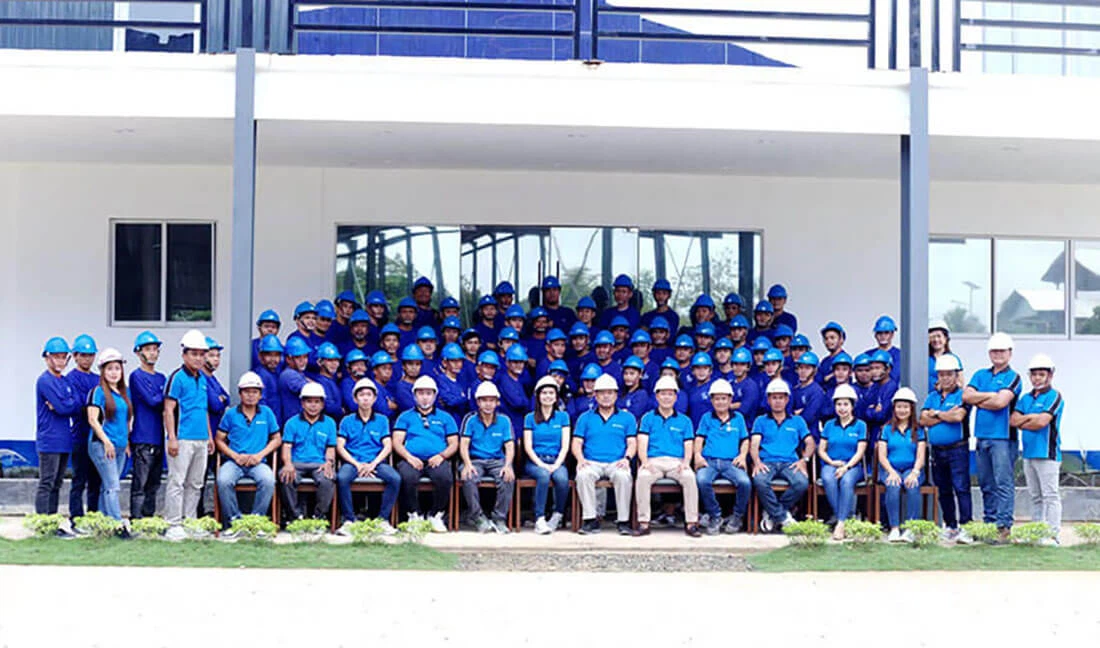
D.T. MULTI TECH Co., Ltd. is a leading player in the Chinese solar industry, based in Xiamen, Fujian. Specializing in comprehensive photovoltaic solutions, our diverse product range includes inverters, solar panels, energy storage batteries, and mounting structures.Collaborating with renowned brands like Growatt, Kingdom, Trina Solar, and others, our diverse product line includes various energy storage solutions, such as wall-mounted, integrated, and containerized options.With a state-of-the-art manufacturing center boasting an annual capacity of 10GW, we are a high-tech enterprise committed to research and development, production, and global distribution in the field of photovoltaic new energy.
FAQ
Q: What does hybrid inverter do?
A: A hybrid inverter is essentially a combination of an inverter, a charge controller, and a grid-tie function. The main difference between an inverter and a hybrid inverter is that a hybrid inverter can work with both renewable and traditional energy sources, while an inverter can only work with renewable energy sources.A hybrid solar inverter is a piece of equipment that is created by combining a solar inverter and a battery inverter into a single unit. This allows the hybrid solar inverter to intelligently handle power coming from your solar panels, solar batteries, and the utility grid all at the same time.
Q: What are the disadvantages of hybrid inverter?
A: Hybrid inverters are more expensive than conventional inverters, and they also require compatible batteries and other components. The initial investment can be high, and the payback period can vary depending on your location, electricity rates, and usage patterns.
Q: Are hybrid inverters better?
A: The main advantage of a hybrid inverter is that the excess power can draw from the grid when the solar power produced is not sufficient to run the load. In addition to that the storage batteries provide backup in case of grid failure.If the power system is going to use AC loads, 120 (110-130) Vac or 230 (208-240) Vac, then a hybrid inverter is important. Since it can work completely off the grid, it can sometimes work with or without batteries. And even with or without solar panels a hybrid inverter is a very flexible solution.
Q: Do I need a hybrid inverter to add a battery?
A: So what kind of inverter should you buy? The good news is that batteries can be added to any grid connect inverter using a method called AC Coupling.The unit can also function without PV panels as a pure back-up system. In the event of a power failure, the Omnipower Hybrid Inverter will provide instant backup power to the load from the battery bank. PV solar can be added at a later stage.
Q: What is the advantage of a hybrid inverters?
A: One of the most significant advantages of hybrid inverters is the promise of energy independence. By storing surplus solar energy in batteries, homeowners can ensure a continuous power supply even during grid outages or nighttime. This reliability is especially crucial in regions with intermittent grid access.
Q: What happens if you overload a hybrid inverter?
A: This can happen if you run too many appliances at once or use an appliance that draws more power than the inverter's rating. When an inverter is overloaded, it will typically shut down to prevent damage to itself or the battery.Do hybrid solar inverters get hot? The hybrid solar inverter may generate some heat during working continuously, but it has a good heat dissipation function,which has little effect on the inverter.
Q: How reliable are hybrid inverters?
A: Overall, battery backup hybrid inverters are a useful and reliable solution for homeowners and businesses that want to have backup power during power outages. They can also help reduce energy costs in the long run and provide greater control over energy usage.
Q: Should an inverter be plugged in all the time?
A: Inverter batteries are powered by chemical reactions, for this reaction to occur, the battery must be fully charged. The battery will eventually discharge. To recap, yes, it is healthy to charge the inverter all the time since technology has gone to the next level and inverter batteries have this built in feature .
Q: Is a hybrid inverter better than a grid tied inverter?
A: Increased Efficiency – A hybrid inverter is more efficient than a standard grid-tie inverter as it does not require the use of a separate battery inverter. This can save you money on your energy bill in the long run.
Q: Can I use a hybrid inverter off-grid?
A: The word Hybrid just means combining two or more different things. With inverters, it usually means multiple operating modes. In most cases, it is an inverter that can run both on and off grid. But it can also mean an inverter that can run from both solar panel or a battery.
Q: Is it better to have more solar panels or more batteries?
A: If you're needing just an hour or two of longer run time, try adding another line of panels. For example, and RPS 400 with four 100W solar panels in 48v would add four more 100W panels in parallel. Now if you already have batteries attached to the system, adding more solar panels will recharge the batteries faster.
Q: What size hybrid inverter do I need?
A: The inverter must have a similar size as the DC rating specified on the solar panels. For instance, when installing a 6-kilowatt solar energy system, the inverter must be 6,000W, give or take a few watts. The size requirements for inverters are listed on the product sheet of the solar panel.
Q: Can 2 hybrid inverters work together?
A: Connecting two hybrid solar inverters in parallel can significantly improve the performance and reliability of your solar power system. By ensuring compatibility, following the step-by-step process, and adhering to safety guidelines, you can successfully connect two hybrid solar inverters in parallel.
Q: Is it worth adding a battery to existing solar panels?
A: Without a solar battery connected to your solar PV system, any excess energy generated would be fed back into the National Grid. Adding a solar battery to your system is an excellent and efficient way to preserve and use renewable energy, helping you maximise the energy you generate for your home.
Q: Can I install an inverter myself?
A: If you possess electrical prowess, you could do it yourself and keep the lights, fridge, microwave, TV, and security systems going during load shedding. You'll need to select a suitable location to install an inverter at home.
Q: How many solar panels for hybrid inverter?
A: A typical household inverter would be 5kW or 10kW. So to get the number of solar panels, divide the power rating of the inverter by the power rating of the solar panels. 5000 / 420 = 11.9 which when rounded off would give you 12.
Q: How long will an inverter run off a battery?
A: If the load is 100 watts and the inverter is 80% efficient it will draw 120 watts from a 12 volt battery so 10 amps at 12 volts a 200 ah battery will run it for 20 hours.It is the most common reason for inverter failure because electro-mechanical stress wears out the capacitors. Electrolytic capacitors, unfortunately, have a limited lifespan and tend to wear out quickly. They are also very temperature sensitive.
Q: What kills an inverter?
A: Environmental Factors: Solar inverters are often exposed to harsh environmental conditions, including extreme temperatures, moisture, and dust. Over time, these elements can cause corrosion, overheating, and electrical shorts, leading to performance degradation or complete failure.
Q: Can I have too many solar panels for my inverter?
A: Having too many solar panels for your inverter can lead to inefficiencies and potential damage to the system. It's crucial to match the number of panels with the inverter's capacity for optimal performance.
Q: Can a battery be too big for an inverter?
A: It will not damage the battery bank, but the volt of the inverter and a battery should be the same. the inverter that you are using is your need that how much load that you are using that's why you are using such inverter. but the only precaution you must take is don't put extra load on the inverter.
Q: What are the disadvantages of a hybrid inverter?
A: Hybrid inverters are more expensive than conventional inverters, and they also require compatible batteries and other components. The initial investment can be high, and the payback period can vary depending on your location, electricity rates, and usage patterns.These inverters allow excess solar energy that is not immediately used by the system to be stored in batteries for later use. They can also manage the energy flow between the solar panels, the batteries, and the grid, helping to ensure that the system is always running as efficiently as possible.
Xiamen D.T. Multi Tech Co., Ltd. is one of the most professional hybrid inverter manufacturers and suppliers in China, we're featured by quality products and good service. Please rest assured to wholesale cheap hybrid inverter from our factory.
Hybrid Inverter, 5KW Hybrid Solar Inverter, 15kw AC Coupled Hybrid Inverter