


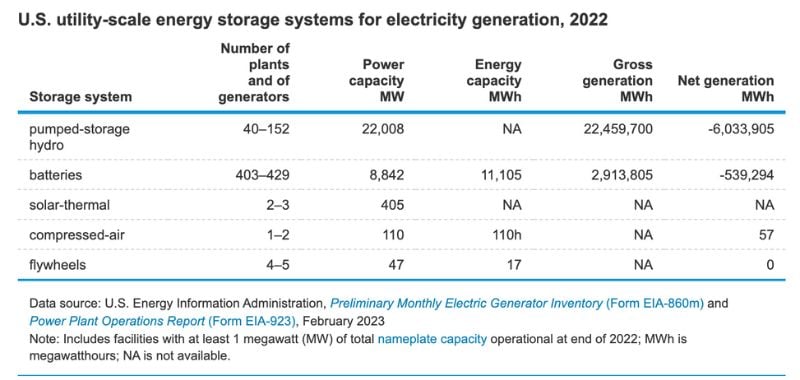
One element of a successful integration of intermittent renewable energy sources into the power system is energy storage. While pumped hydro has been a long-standing method of energy storage, battery energy storage systems (BESSes) that employ lithium-ion batteries have gained popularity most lately. By the end of 2022, there were 8.842 GW of active utility-scale BESSes in the United States with a total nameplate power capacity of 11,105 megawatt-hours (MWh).
The Rise of Battery Energy Storage Systems
According to a McKinsey and Company analysis, more than $5 billion was invested in BESSes in 2022, an almost threefold increase from the previous year. By 2030, the BESS market worldwide is predicted to reach between $120 and $150 billion.
Projects using renewable energy were given $370 billion by the Inflation Reduction Act (IRA) in 2022. For grid operators around the country, BESSes have been at the vanguard of investments for applications including peak shaving, consumption optimisation, and backup power.
Factors Allowing Battery Energy Storage Growth
Several factors drive the rapid deployment of BESSes in the U.S. First, the increasing penetration of renewable energy sources has introduced challenges in grid management due to their intermittent nature. BESSes can effectively store excess renewable energy when production exceeds demand, ensuring a reliable and consistent electricity supply.
Second
considerable cost savings and performance gains have resulted from advances in battery technology. Due to significant price reductions, lithium-ion batteries-the predominant technology for BESS applications-are now more commercially feasible. Furthermore, the energy density and longevity of these batteries have been improved by advancements in battery chemistry and manufacturing techniques.
Third
encouraging laws like the IRA and other incentives are essential for encouraging the use of BESS. The initial costs of BESS installations have been partially offset by government initiatives like tax credits and rebates, which has increased their appeal to developers and investors. Furthermore, regulatory frameworks are changing to acknowledge the importance of BESSes and their potential to improve grid dependability and stability.
The Future of Battery Energy Storage
According to estimates from the U.S. Energy Information Administration, the energy sector will release approximately 4,790 million metric tonnes of carbon dioxide (CO2) in 2023. Given that it is a 3% decrease from 2022, this is welcome news. The EIA claims that a large portion of this decline can be linked to a fall in electricity generation from coal-fired power plants due to an increase in electricity generation from renewable sources like wind and solar energy. According to the EIA, the trend is anticipated to last until 2024, when CO2 emissions are forecast to decrease by 1% from 2023 levels.
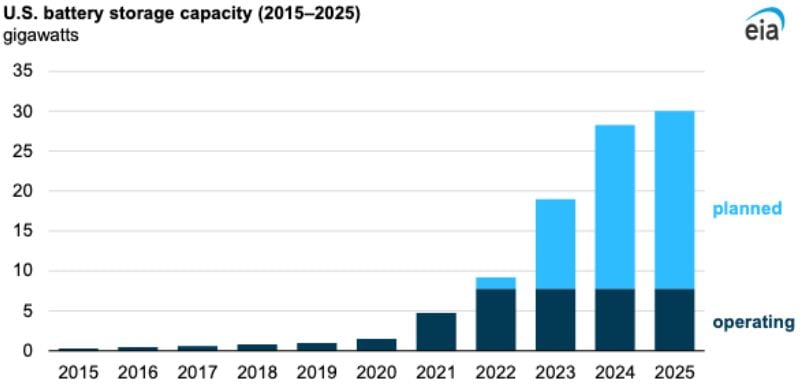
In the upcoming years, it is anticipated that the United States will continue to swiftly deploy BESSes. Utility-scale BESS capacity is expected to reach 14 GW by 2025 and 30 GW by 2030, according to EIA projections. This rise will be driven by the expansion of renewable energy sources, the continued cost reductions and performance improvements in battery technology, and the requirement for grid flexibility and resilience.
With a host of advantages that will influence how power is produced and distributed in the future, BESSes have the potential to completely change the energy landscape in the United States. One of the few realistic approaches to combating climate change is the electrification of almost everything. BESSes contribute to the creation of a more robust and sustainable energy system by lowering emissions, improving grid dependability, and integrating renewable energy sources.