

Embracing solar energy is a forward-thinking choice, but the success of your solar panels hinges on the strategic placement on your roof. In this guide, we'll explore the essential factors that determine where solar panels should be placed, ensuring you harness the maximum power of the sun for your energy needs.
Roof Orientation and Tilt
Solar efficiency is greatly influenced by the orientation and tilt of your roof. Understanding how to align panels optimally is crucial.
Optimal Orientation for Solar Panels
Positioning panels towards the south maximizes sun exposure throughout the day, optimizing energy production. However, east or west orientations can still yield satisfactory results.
Tilt Angle Considerations
Adjusting the tilt angle based on your location's latitude ensures panels receive sunlight directly. This varies depending on geographical location, so consult solar professionals for precise adjustments.
Roof Material and Compatibility
Different roofing materials have varying impacts on solar panel installations. Choose wisely for longevity and compatibility.
Asphalt Shingles and Solar Panels Compatibility
Asphalt shingles are a common and compatible roofing material for solar panels. Their smooth surface and ease of installation make them an excellent choice.
Metal Roofs and Solar Panel Considerations
Metal roofs, known for durability, can enhance solar efficiency. Ensure proper installation to avoid potential conductivity issues.
Local Climate Factors
Understanding your local climate is pivotal in making informed decisions about solar panel placement.
Impact of Shade on Solar Panels
Shading, whether from trees or nearby structures, can significantly reduce solar efficiency. Conduct a shade analysis to identify potential obstructions.
Climate Extremes and Solar Panel Resilience
Consider how your roof withstands climate extremes. Ensuring panels are installed securely is crucial in areas prone to severe weather conditions.
Ideal Placements on Different Roof Types
Each roof type presents unique considerations for solar panel placement. Tailoring the installation to your specific roof type is essential.
Flat Roofs and Solar Panels Integration
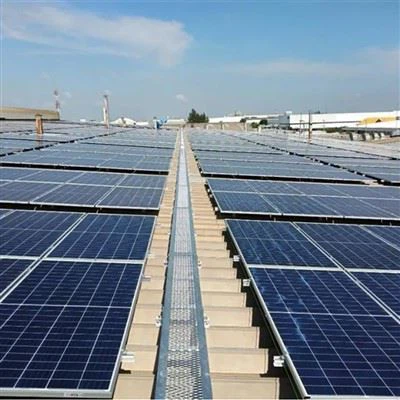
Flat roofs provide flexibility in panel placement, often allowing for tilted installations. Ensure proper drainage to prevent water accumulation.
Tile Roofs and Aesthetic Considerations
While aesthetically pleasing, tile roofs may present challenges due to their weight. Consult with professionals to assess compatibility and structural support.
Professional Roof Assessment
Before committing to solar installation, seek professional assessments to address specific roof characteristics.
Consulting with Solar Professionals
Experienced solar professionals can conduct thorough roof assessments, providing tailored recommendations for optimal solar panel placement.
Customizing Solar Solutions
Tailoring solar solutions based on your roof's unique characteristics ensures maximum energy production. Professionals can guide you through this process effectively.
Financial Considerations and ROI
Understanding the financial aspects of solar panel installation is crucial for making informed decisions.
Initial Costs vs. Long-Term Savings
While the initial investment may seem substantial, consider the long-term savings and potential government incentives, making solar an economically viable choice.
Financing Options for Solar Installation
Explore financing options to alleviate upfront costs. Many programs offer favorable terms for solar installations.
Maintenance and Longevity
Ensuring the longevity of your solar panels requires diligent maintenance.
Regular Inspections and Cleaning
Frequent inspections and cleaning help sustain optimal efficiency. Addressing issues promptly ensures prolonged panel lifespan.
Addressing Wear and Tear
Timely repairs and replacements are essential in maintaining solar panel effectiveness over the years. Regular professional check-ups are advisable.