


Introduction
When it comes to solar power systems, the inverter is the heart of the operation. It's the device that converts the DC power generated by your solar panels into the AC power that your home uses. But not all inverters are created equal. The debate between 3 phase grid tie inverters and single phase inverters is a hot topic among solar enthusiasts and professionals alike. So, what's the deal? Let's dive in and see how these two types stack up against each other!
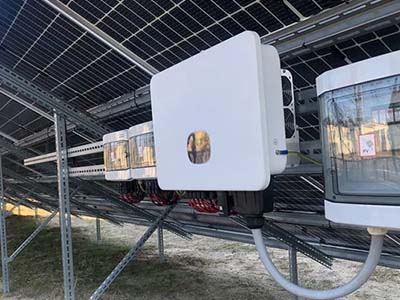
What Are Grid Tie Inverters?
Understanding Inverters
Before we jump into the comparison, let's get a handle on what grid tie inverters actually are. Simply put, a grid tie inverter is a device that converts DC power from your solar panels to AC power that can be fed into the grid. It's a crucial component for any solar power system connected to the electricity grid.
Why Do We Need Them?
Without an inverter, the DC power generated by solar panels would be useless for most household appliances and wouldn't be compatible with the power grid. Grid tie inverters ensure that the energy produced is both usable and able to contribute to the wider electricity network.
The Basics: Single Phase vs. 3 Phase Inverters
Single Phase Inverters
Single phase inverters are the more common type found in residential solar power systems. They work with single phase electricity, which is what most homes use. Here's a quick rundown of their main features:
Simpler Design: Generally easier to install and maintain.
Cost-Effective: Typically cheaper upfront.
Suitable for Homes: Perfect for residential setups where power needs aren't excessively high.
3 Phase Inverters
On the flip side, 3 phase inverters are often used in commercial and industrial settings where power demands are higher. Here are their standout characteristics:
Higher Efficiency: Can handle larger loads more efficiently.
Better for Big Systems: Ideal for extensive solar power setups.
Reduced Voltage Drops: More stable power delivery over long distances.
Comparing Three Phase Grid Tie Inverters with Single Phase Inverters
Performance and Efficiency
When comparing 3 phase grid tie inverters with single phase inverters, efficiency is a major factor. 3 phase inverters distribute power more evenly and reduce losses, making them more efficient for large systems. They're designed to handle high power outputs without overheating or becoming less efficient over time.
Installation and Maintenance
Single phase inverters win in the simplicity department. They're generally easier to install and require less maintenance. If you're a homeowner looking to set up a solar system, a single phase inverter is often the hassle-free choice. However, for larger installations, the complexity of 3 phase inverters is outweighed by their performance benefits.
Cost Considerations
Upfront costs can be a deciding factor. Single phase inverters are typically less expensive initially, making them attractive for budget-conscious consumers. On the other hand, 3 phase inverters might have higher initial costs but can offer savings in the long run through improved efficiency and reduced electricity costs, especially in high-demand scenarios.
Suitability for Different Applications
Residential Use: Single phase inverters are usually sufficient for residential homes, small businesses, and setups with lower energy demands.
Commercial Use: For commercial buildings, factories, or any setting with high energy consumption, 3 phase inverters are often the way to go.
Reliability and Longevity
3 phase inverters tend to be more robust and can handle larger loads over extended periods. This makes them a reliable choice for demanding applications. Single phase inverters, while perfectly reliable for home use, might not fare as well under constant high-load conditions.
Conclusion
Choosing between 3 phase grid tie inverters and single phase inverters boils down to your specific needs and circumstances. For most homeowners, a single phase inverter will provide a cost-effective, easy-to-install solution. However, if you're dealing with high energy demands, as seen in commercial or industrial environments, a 3 phase inverter could be the better investment due to its efficiency and ability to handle larger loads.
Ultimately, understanding your energy needs and consulting with a solar power professional can help you make the best decision for your setup. Whether you're powering a home or a business, selecting the right inverter is crucial to maximizing your solar power system's potential.
Now that you've got the lowdown on comparing 3 phase grid tie inverters with single phase inverters, you're well-equipped to make an informed choice and harness the power of the sun efficiently!