


Introduction
In today's rapidly evolving business landscape, energy efficiency isn't just a buzzword-it's a necessity. With the advent of smart energy storage systems, businesses are no longer at the mercy of fluctuating energy costs or unreliable power grids. These advanced technologies are paving the way for more sustainable, resilient, and cost-effective operations. But what exactly is smart energy storage? How does it transform business operations, and why should you care? Let's dive in.
The Concept of Smart Energy Storage
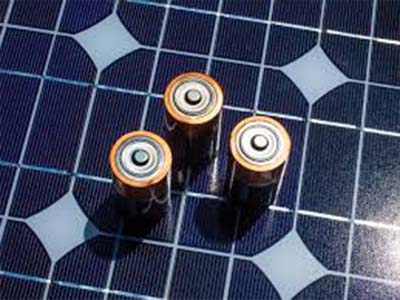
Smart energy storage is more than just a backup battery system. It's a sophisticated technology that integrates renewable energy sources, real-time data analytics, and automated controls to optimize energy usage. Imagine a system that not only stores energy but also decides the best time to use it based on demand, grid conditions, and even weather forecasts. Sounds like something out of a sci-fi movie, right? Well, it's very much a reality today.
Key Components of Smart Energy Storage
Advanced Batteries: Lithium-ion batteries are the frontrunners, but other technologies like solid-state and flow batteries are gaining traction.
Energy Management Systems (EMS): These are the brains behind the operation, using algorithms and AI to make real-time decisions.
Integration with Renewable Energy: Solar panels and wind turbines are commonly paired with smart storage systems to maximize energy efficiency.
Grid Interaction: Smart systems can interact with the grid, buying energy when prices are low and selling excess energy back during peak times.
How Smart Energy Storage Transforms Business Operations
So, how exactly does smart energy storage change the game for businesses? Let's break it down.
1. Cost Savings
One of the most immediate benefits is the reduction in energy costs. By storing energy during off-peak hours and using it during peak times, businesses can significantly cut down on their electricity bills. Moreover, with the ability to sell excess energy back to the grid, smart energy storage systems can even become a source of revenue.
2. Increased Resilience
Power outages can be disastrous for any business. With smart energy storage, companies can ensure a continuous power supply, safeguarding critical operations. This is particularly important for industries where even a minute of downtime can result in substantial financial losses.
3. Sustainability Goals
As businesses strive to meet their sustainability targets, integrating renewable energy with smart storage is a no-brainer. Not only does it reduce the carbon footprint, but it also enhances the company's reputation as a forward-thinking, environmentally responsible entity.
4. Enhanced Operational Efficiency
Smart energy storage systems can optimize energy usage in real-time, reducing waste and improving overall efficiency. For example, an EMS might decide to run energy-intensive machinery when renewable energy generation is at its peak, thus minimizing reliance on the grid.
Challenges in Implementing Smart Energy Storage
While the benefits are clear, implementing smart energy storage isn't without its challenges. Here are some hurdles businesses might face.
1. High Initial Costs
The upfront investment in smart energy storage systems can be substantial. Advanced batteries, EMS, and integration with existing infrastructure require significant capital. However, it's crucial to consider this as a long-term investment that pays off over time.
2. Complex Integration
Integrating smart energy storage with existing systems can be complex. It often requires custom solutions and expertise in both energy management and IT. Businesses must be prepared for a potentially steep learning curve.
3. Regulatory Hurdles
Energy regulations vary widely depending on the region, and navigating these can be challenging. Businesses must stay informed about local laws and incentives to make the most of their smart energy storage investments.
Future Trends in Smart Energy Storage
The landscape of smart energy storage is continually evolving, driven by technological advancements and changing market demands. Here are some trends to watch.
1. Artificial Intelligence and Machine Learning
As AI and machine learning become more sophisticated, they will play an increasingly significant role in optimizing energy storage and usage. These technologies will enable systems to learn from past data and improve decision-making over time.
2. Blockchain for Energy Trading
Blockchain technology could revolutionize how businesses buy and sell energy. With blockchain, companies can participate in decentralized energy markets, trading energy in real-time with greater transparency and security.
3. Expansion of Renewable Integration
As renewable energy sources become more prevalent, their integration with smart storage systems will continue to grow. This will lead to even greater efficiency and sustainability in business operations.
4. Decentralized Energy Networks
The future might see the rise of decentralized energy networks, where businesses generate, store, and share energy within a localized grid. This could lead to more resilient and self-sufficient business communities.
FAQs
1. What is smart energy storage?
Smart energy storage is an advanced system that stores energy and optimizes its usage through real-time data analytics, automated controls, and integration with renewable energy sources.
2. How does smart energy storage benefit businesses?
It helps reduce energy costs, increases resilience to power outages, supports sustainability goals, and enhances operational efficiency.
3. Are there any challenges in implementing smart energy storage?
Yes, businesses may face high initial costs, complex integration processes, and regulatory hurdles.
4. What are the future trends in smart energy storage?
Key trends include the use of AI and machine learning, blockchain for energy trading, expansion of renewable integration, and the development of decentralized energy networks.
Conclusion
Smart energy storage is not just a technological innovation-it's a game-changer for businesses. By reducing costs, increasing resilience, and supporting sustainability, these systems are transforming the way companies operate. However, like any major investment, it's essential to carefully consider the challenges and stay informed about future trends. As we move towards a more energy-conscious world, smart energy storage will undoubtedly play a pivotal role in shaping the future of business operations.
In a world where every watt counts, can your business afford to ignore the potential of smart energy storage?