


Indroduction
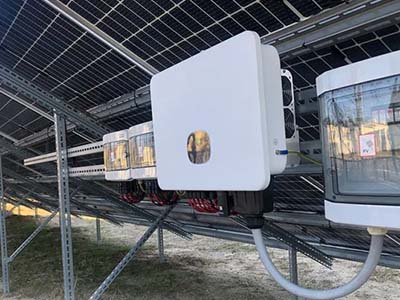
An off-grid inverter is an electronic device that converts direct current (DC) to alternating current (AC) for off-grid use. Off-grid inverters operate independently of the public grid and are typically installed on solar panels, small wind turbines, or other DC power sources to convert direct current into alternating current that can be used to power a home or device. It uses control logic to adjust the input and output to ensure optimal efficiency from sources such as solar panels or small wind turbines, and optimizes energy quality by using pure sine wave output.
Characteristics And Advantages
1.Independent operation: off-grid inverters do not require external power support and can operate autonomously, suitable for remote areas or places without grid power supply.
2.trong adaptability: The off-grid inverter can adapt to the operation of various environmental conditions, and its output power is stable and reliable, not limited by distance and space.
3.Safe and reliable: off-grid inverters have multiple safety protection measures such as overvoltage protection, short circuit protection, and overcurrent protection to ensure safety during operation.
4.Stable output AC: Off-grid inverters can stably output AC to meet the power needs of homes, enterprises or industrial zones.
Application
Solar and wind energy systems: Off-grid inverters are key components of solar and wind power generation systems that convert direct current generated from renewable energy sources into domestic or industrial electricity.
Mobile facilities: such as motorhomes, boats, aircraft, etc., off-grid inverters can provide power support for these facilities.
Emergency backup power: In the event of natural disasters or power failures, off-grid inverters can be used as emergency backup power to provide power to critical equipment.
Selection and maintenance
When choosing an off-grid inverter, you need to consider factors such as power demand, output voltage and frequency, efficiency, brand reputation, and after-sales service.When installing an off-grid inverter, ensure that the inverter is installed in a cool and dry place with good ventilation, away from heat sources, direct sunlight, and corrosive or explosive gases. At the same time, it is necessary to carefully read and follow the instructions provided by the manufacturer, ensure that the positive and negative electrodes are correctly connected, and select the appropriate wire specifications and high-quality wire connectors and insulation materials.In addition, regular maintenance is also the key to ensure the long-term stable operation of the inverter, including checking the cable connection, cleaning the inverter housing, checking the battery performance, etc.
Conclusion
In summary, off-grid inverters, as a kind of power conversion equipment independent of the public grid, play an important role in renewable energy systems. Through reasonable selection and installation as well as regular maintenance and maintenance, off-grid inverters can be ensured to provide stable and reliable power supply to users.