


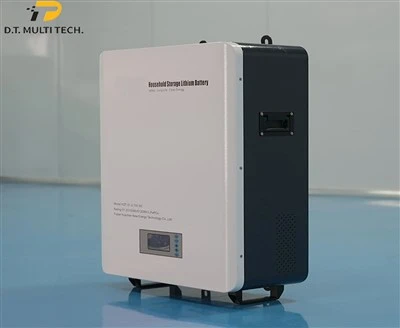
Solar batteries have become increasingly popular in recent years as homeowners and businesses look for ways to reduce their reliance on the grid and save money on energy costs. However, it is important to ensure that solar batteries are properly ventilated to prevent safety hazards and extend their lifespan.
Why is Ventilation Important for Solar Batteries?
Solar batteries generate heat during operation, especially during charging and discharging cycles. If this heat is not properly dissipated, it can lead to several problems:
Reduced battery life: Excessive heat can accelerate battery degradation, shortening the battery's lifespan.
Safety hazards: Overheated batteries can pose a safety risk, potentially leading to fires or explosions, especially for certain types of batteries like lithium-ion.
Reduced performance: High temperatures can impair battery performance, reducing its capacity and efficiency.
Proper Ventilation Methods for Solar Batteries
The specific ventilation requirements for solar batteries vary depending on the battery type, size, and installation location. However, some general guidelines can be followed:
Passive ventilation: This method relies on natural airflow to remove heat from the batteries. It involves installing the batteries in a well-ventilated area with sufficient air circulation.
Forced ventilation: This method uses fans or blowers to actively circulate air around the batteries. It is more effective than passive ventilation and is particularly suitable for larger battery banks or batteries installed in enclosed spaces.
Factors to Consider When Ventilating Solar Batteries
When determining the appropriate ventilation method for your solar batteries, consider the following factors:
Battery type: Different battery types have varying ventilation needs. Lithium-ion batteries generally require less ventilation than flooded lead-acid batteries.
Battery size: Larger battery banks generate more heat and require more robust ventilation systems.
Installation location: Batteries installed in enclosed spaces or hot climates require more aggressive ventilation measures.
Local regulations: Check with local building codes and regulations for specific ventilation requirements.
Professional Installation and Maintenance
Proper ventilation is crucial for the safety and longevity of solar batteries. It is recommended to consult with a qualified solar installer to assess your specific ventilation needs and ensure that your batteries are installed in a safe and compliant manner. Regular maintenance, including checking ventilation systems for proper airflow and cleaning debris, is also essential to maintain optimal battery performance.