


Introduction
In recent years, solar energy has become a shining star in the quest for sustainable power. As solar cell power plants sprout worldwide, the focus on safety becomes paramount. But how do we ensure these modern marvels operate securely? Let's dive into the nuts and bolts of safety in solar cell power plants.
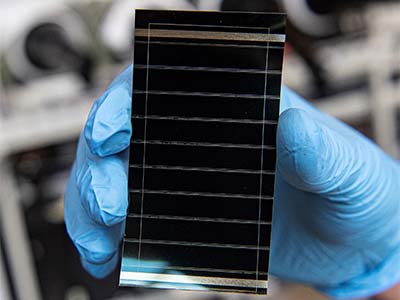
Understanding Solar Cell Power Plants
What Are Solar Cell Power Plants?
Solar cell power plants, often known as photovoltaic (PV) systems, harness sunlight and convert it into electricity. Comprising thousands of solar panels, these facilities can power entire communities.
Why Are They Important?
With the global push towards renewable energy, solar power stands out due to its minimal environmental impact and infinite energy source-the sun! Ensuring their safe operation is vital for sustaining this eco-friendly energy.
Potential Hazards in Solar Power Plants
Electrical Hazards
Short Circuits: Poorly connected panels can lead to electrical failures.
Electrocution Risks: Maintenance workers face potential electrocution if safety measures aren't in place.
Fire Risks
Overheating: Panels exposed to extreme heat can ignite surrounding materials.
Faulty Wiring: Inferior wiring can lead to fires.
Environmental Concerns
Toxic Material: Certain panels contain hazardous materials like cadmium.
Wildlife Impact: Solar farms can disrupt local ecosystems.
Ensuring Safety in Solar Cell Power Plants
Design and Installation Safety
Site Selection: Choose locations away from high wildlife traffic and prone to natural disasters.
Quality Equipment: Invest in top-tier panels and wiring to prevent malfunctions.
Professional Installation: Hiring certified professionals ensures adherence to safety standards.
Operational Safety
Regular Inspections: Routine checks can catch potential issues before they escalate.
Safety Training: Equip staff with knowledge on handling emergencies and equipment safely.
Technological Innovations
Fire Suppression Systems: Modern plants integrate automatic fire extinguishers.
Real-time Monitoring: IoT devices monitor system performance, alerting operators to anomalies.
Common Safety Protocols
Electrical Safety Measures
Lockout/Tagout (LOTO): This procedure ensures equipment is properly shut off and not started again until maintenance is complete.
Grounding Systems: These prevent electrical overloads and reduce the risk of electrocution.
Fire Safety Measures
Firebreaks: Clear vegetation around the plant to prevent the spread of wildfires.
Fire-resistant Materials: Use non-combustible materials in and around installations.
Environmental Safety Measures
Toxic Waste Disposal: Implement proper disposal methods for hazardous materials.
Wildlife Corridors: Design pathways for animals to traverse the area safely.
Addressing Public Concerns
Are Solar Plants Dangerous to the Public?
While rare, incidents can occur. However, with robust safety protocols, risks are minimized.
How Do Solar Plants Affect Local Wildlife?
Though they can alter habitats, responsible planning mitigates these impacts.
FAQs
What happens during a solar panel malfunction?
Typically, systems automatically shut down affected areas to prevent damage or hazards.
How often should inspections occur?
Routine inspections should occur bi-annually, with additional checks after severe weather.
Can solar panels catch fire?
Though uncommon, faulty wiring or overheating can cause fires. Proper maintenance reduces this risk.
Innovations Paving the Way
Smart Grids
These networks intelligently manage electricity distribution, enhancing safety and efficiency.
Drones for Inspection
Using drones, operators can safely and quickly inspect panels, identifying issues without physical risks.
Advanced Materials
Research into safer, non-toxic materials is ongoing, promising a future with reduced environmental impact.
Conclusion
Ensuring safety in solar cell power plants isn't just about preventing accidents; it's about paving the way for a sustainable future. By adopting rigorous safety measures, embracing technological innovations, and educating the workforce, we can ensure these plants remain beacons of clean energy. Let's continue to support this bright future, one safe solar panel at a time!