


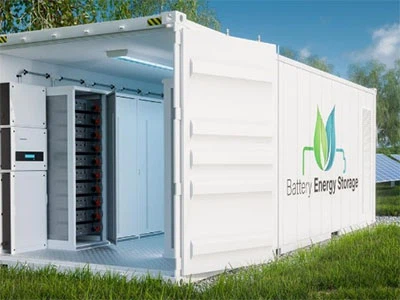
Two acronyms have become very popular in the field of energy storage systems: BMS (Battery Management System) and BESS (Battery Energy Storage System). Despite the fact that these terms are frequently used synonymously, they refer to different but related ideas. It is imperative that anybody involved in the design, implementation, or operation of energy storage solutions understands the distinction between BMS and BESS.
Battery Management System (BMS)
A Battery Management System (BMS) is an electronic system that monitors, controls, and optimizes the performance of rechargeable battery packs or individual battery cells. Its primary functions include:
1. Cell Monitoring and Protection
Monitoring individual cell voltages, temperatures, and currents
Preventing overcharging, overdischarging, and thermal runaway
Ensuring safe and efficient battery operation
2. State Estimation
Calculating the State of Charge (SoC) and State of Health (SoH)
Providing critical information for battery management
3. Cell Balancing
Equalizing the charge levels across individual cells
Maximizing the available capacity and extending battery life
4. Thermal Management
Monitoring and controlling battery temperatures
Ensuring optimal operating conditions for the battery pack
Battery Energy Storage System (BESS)
A Battery Energy Storage System (BESS) is a complete system that integrates one or more battery packs, along with the necessary power conversion and control equipment, to store and release electrical energy. A BESS typically comprises the following components:
1. Battery Modules or Packs
Rechargeable battery cells or modules arranged in series and parallel configurations
Lithium-ion, lead-acid, or other battery technologies
2. Battery Management System (BMS)
The BMS, as described above, plays a crucial role in managing the battery packs
3. Power Conversion System (PCS)
Inverters, converters, and associated control systems
Enables bi-directional energy flow between the BESS and the electrical grid or load
4. Energy Management System (EMS)
Sophisticated software and control algorithms
Optimizes the operation of the BESS based on various factors (e.g., energy prices, load profiles, renewable generation)
5. Auxiliary Systems
Cooling systems, fire suppression systems, and other supporting components
Key Differences Between BMS and BESS
While the BMS is an integral part of a BESS, the two terms refer to different aspects of energy storage systems:
A BMS is a dedicated system focused on monitoring, protecting, and optimizing the performance of individual battery cells or packs.
A BESS is a comprehensive system that encompasses the battery packs, BMS, power conversion equipment, and control systems necessary for energy storage and delivery.
In summary, a BMS ensures the safe and efficient operation of battery packs, while a BESS is a complete energy storage solution that integrates batteries, power electronics, and control systems to store and release electrical energy on demand.
Applications of BESS
Battery Energy Storage Systems (BESS) have numerous applications across various sectors
1. Renewable Energy Integration
Smoothing the intermittent output of solar and wind power plants
Improving grid stability and reliability
2. Peak Shaving and Load Shifting
Reducing peak electricity demand and associated costs
Storing energy during off-peak periods for use during peak demand
3. Frequency Regulation and Ancillary Services
Providing fast-responding energy reserves to maintain grid frequency
4. Backup Power and Uninterruptible Power Supply (UPS)
Ensuring continuous power supply during outages or grid disturbances
5. Electric Vehicle (EV) Charging Infrastructure
Supporting fast charging stations and managing energy demand
6. Microgrids and Islanded Systems
Enabling the integration of distributed energy resources
Enhancing energy resilience and self-sufficiency
As the demand for reliable, sustainable, and cost-effective energy solutions continues to grow, Battery Energy Storage Systems, supported by advanced Battery Management Systems, will play an increasingly vital role in shaping the future of energy systems worldwide.