

summary
Selecting the right solar power system is not a one-size-fits-all decision. From a supplier's perspective, the most successful projects are those where system configuration is closely matched to the actual application scenario.
Understanding how usage patterns, load requirements, installation conditions, and budget constraints vary across scenarios is essential for long-term performance and return on investment.
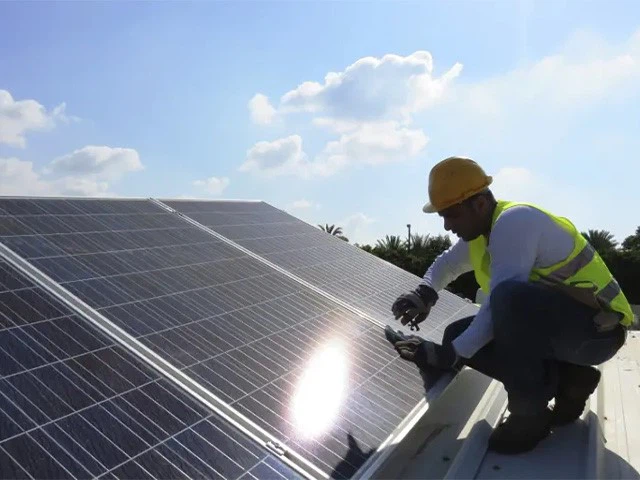
Residential Applications
Residential solar power systems are typically designed to reduce electricity bills and increase energy independence.
Key considerations:
Daily household energy consumption
Roof space and orientation
Local sunlight conditions
Grid connection availability
For residential users, system stability, safety, and ease of maintenance are often prioritized over maximum output. Modular system designs allow for future expansion as energy needs grow.
Commercial and Industrial Applications
Commercial and industrial (C&I) projects demand higher system capacity and long-term reliability. These systems are often deployed to reduce operational costs and stabilize energy supply.
Key considerations:
Peak load demand and operating hours
Power quality requirements
Scalability for future expansion
Return on investment (ROI) timeframe
From a supplier standpoint, component quality and system efficiency are critical. Proper system sizing and high-performance components help ensure consistent output and predictable financial returns over the system's lifespan.
Temporary and Mobile Applications
Solar power systems are also widely used for temporary installations such as construction sites, outdoor events, and emergency power supply.
Key considerations:
Portability and ease of installation
Rapid deployment
System durability
Short-term operational efficiency
For these applications, compact system design and flexible configuration are key factors in ensuring usability and cost-effectiveness.
Conclusion
Choosing the right solar power system depends on clearly understanding the application scenario and aligning system design accordingly. From a supplier's perspective, providing a solution that matches real-world usage conditions not only improves system performance but also builds long-term trust and cooperation with buyers.
By evaluating technical requirements, environmental conditions, and long-term goals, buyers can select a solar power system that delivers reliable energy, optimized costs, and sustainable value over time.