

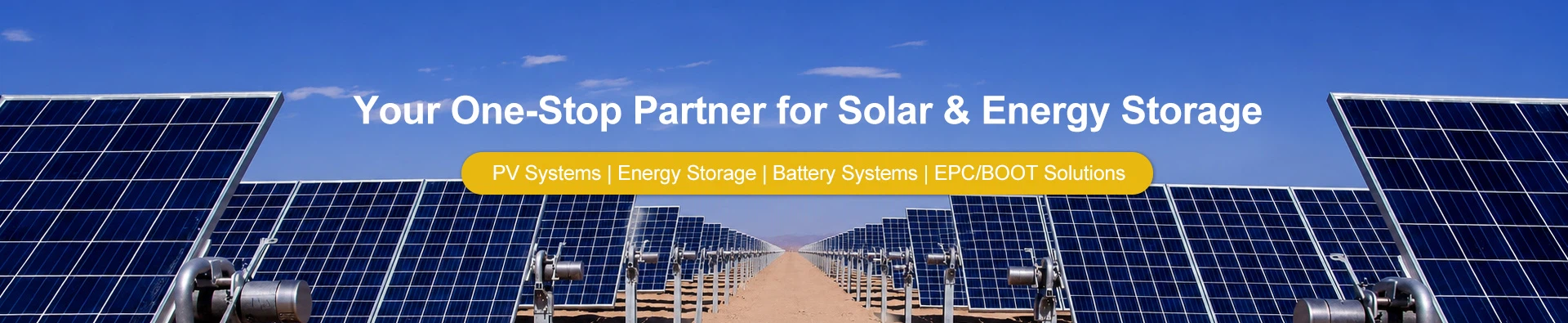

In our ever-evolving quest for renewable energy sources, solar photovoltaic (PV) power plants have emerged as game-changers, harnessing the sun's rays to generate electricity. However, like any intricate machinery, these solar powerhouses require proper maintenance to operate at peak efficiency and maximize energy production while minimizing costly downtime. This comprehensive guide delves into the world of solar PV power plant maintenance, uncovering common issues, troubleshooting techniques, and proactive measures to keep your investment shining bright.
Common Culprits: Identifying and Tackling Issues
Like any complex system, solar PV power plants can encounter a variety of challenges that can impact their performance. Let's dive into some of the most common culprits and the maintenance measures that can keep them at bay.
1. Dust and Soiling
Dust, dirt, and other particulates can accumulate on the surface of solar panels, reducing their ability to absorb sunlight effectively. This soiling effect can lead to significant power output losses, especially in arid or industrial areas. Regular cleaning of the panels is essential to maintain optimal performance. Various cleaning methods are available, ranging from manual brushing to automated robotic systems and even good old-fashioned rain (when nature cooperates).
2. Electrical Faults and Inverter Issues
At the heart of every solar PV power plant lies a complex electrical system, complete with inverters, transformers, and miles of cables. These components are susceptible to faults, overheating, and other issues that can disrupt power generation. Regular inspections, maintenance, and timely replacements of faulty components are crucial to ensure smooth operation.
3. Tracking System Malfunctions
For those solar PV power plants equipped with tracking systems (which orient the panels towards the sun's position), malfunctions can severely impact energy production. Routine checks and calibration of these systems are necessary to ensure accurate tracking and optimal sunlight exposure.
4. Environmental Factors
From high winds and hail storms to extreme temperatures and snow buildup, environmental factors can wreak havoc on solar PV power plants. Implementing appropriate mitigation strategies, such as wind deflectors, snow removal systems, and sturdy panel mounts, can help protect your investment and minimize downtime.
Proactive Maintenance: The Key to Longevity
While addressing issues as they arise is crucial, the true secret to a well-oiled solar PV power plant lies in proactive maintenance. By staying ahead of potential problems, you can minimize disruptions and ensure maximum energy production. Here are some proactive measures to consider:
Regular inspections and monitoring: Conduct routine visual inspections and utilize monitoring systems to detect potential issues early on.
Predictive maintenance: Leverage data analytics and machine learning to predict component failures and plan maintenance activities accordingly.
Preventive maintenance: Implement a scheduled maintenance program to replace aging components before they fail, reducing unplanned downtime.
Training and skill development: Invest in training programs for your maintenance staff, ensuring they possess the knowledge and expertise to tackle any challenge that may arise.
FAQs: Addressing Common Concerns
Q: How often should solar panels be cleaned?
A: The frequency of cleaning depends on various factors, such as location, weather patterns, and the level of soiling. In general, it's recommended to clean solar panels every six months to a year, or more frequently in areas with high dust or pollution levels.
Q: Can solar panels be damaged during cleaning?
A: Proper cleaning methods and techniques are crucial to avoid damaging the panels. Always follow the manufacturer's recommendations and consider using specialized cleaning equipment or hiring professional services.
Q: How can I detect electrical faults in my solar PV power plant?
A: Regular inspections, monitoring systems, and thermal imaging can help detect electrical faults, such as hot spots, loose connections, and faulty components. It's essential to address these issues promptly to prevent further damage and potential safety hazards.
Q: What are the benefits of predictive maintenance for solar PV power plants?
A: Predictive maintenance allows you to anticipate and plan for component failures, reducing unplanned downtime and minimizing the risk of costly repairs. By leveraging data analytics and machine learning, you can optimize maintenance schedules and extend the lifespan of your solar PV power plant.
Maintaining a solar PV power plant is an investment in the future of renewable energy and a commitment to sustainability. By embracing proactive maintenance strategies and addressing common issues promptly, you'll not only maximize energy production but also contribute to a more sustainable future for our planet.
So, let your solar PV power plant shine bright! With proper care and attention, you'll be harnessing the power of the cosmos for years to come, one radiant kilowatt-hour at a time. Embrace the sun's rays and keep your solar energy investment shining as a beacon of hope for a greener tomorrow.