


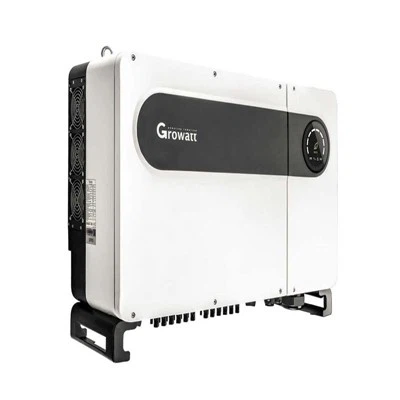
If you have a grid-tied or hybrid inverter, you can turn it on without a battery, as long as the grid is available and stable. You just need to connect the inverter to the power source, such as a solar panel, and to the grid. The inverter will automatically detect the grid frequency and voltage and start converting the DC power into AC power. You can then use the AC power to run your appliances and devices, or export it to the grid if you have a net metering or feed-in tariff scheme.
However, if you have an off-grid inverter, you cannot turn it on without a battery, as the inverter needs a battery to function. The battery acts as a buffer and a regulator for the inverter, providing a constant and smooth DC power input. Without a battery, the inverter will not be able to handle the fluctuations and variations of the power source, such as changes in solar irradiance, temperature, and load. The inverter may also damage the power source or the appliances and devices connected to it, as it may produce unstable or distorted AC power output.
Advantages and Disadvantages of Using an Inverter Without a Battery
Using an inverter without a battery has some advantages and disadvantages, depending on your situation and goals. Here are some of them:
Advantages
Lower cost: Batteries are expensive and require maintenance and replacement over time. By using an inverter without a battery, you can save money on the initial investment and the ongoing costs of battery management.
Higher efficiency: Batteries have some energy losses during charging and discharging, which reduce the overall efficiency of the system. By using an inverter without a battery, you can avoid these losses and increase the efficiency of the system.
Environmental friendliness: Batteries contain toxic and hazardous materials, such as lead, acid, and lithium, which pose environmental and health risks. By using an inverter without a battery, you can reduce the environmental impact of the system and avoid the disposal and recycling issues of batteries.
Disadvantages
No backup power: Without a battery, you will not have any backup power in case of a power outage or a grid failure. You will be dependent on the grid and the power source for your electricity needs, which may not be reliable or available at all times.
No energy storage: Without a battery, you will not be able to store excess solar energy for later use, such as during the night or peak demand periods. You will have to use the solar energy as it is generated, or export it to the grid if possible. This may limit your solar energy utilization and potential savings.
No load control: Without a battery, you will not be able to control the load on the inverter, as the inverter will have to match the power source and the grid at all times. You will not be able to adjust the power output of the inverter to suit your needs, such as increasing or decreasing the power consumption or generation.
Tips on How to Choose and Use an Inverter Without a Battery
If you decide to use an inverter without a battery, here are some tips on how to choose and use it:
Choose the right type of inverter: As mentioned earlier, not all inverters can work without a battery. You need to choose a grid-tied or hybrid inverter that can operate with the grid and the power source. You also need to consider the power rating, efficiency, features, and warranty of the inverter.
Choose the right power source: You need to choose a power source that can provide enough and consistent DC power to the inverter, such as a solar panel, a wind turbine, or a generator. You also need to consider the size, location, orientation, and wiring of the power source.
Choose the right grid connection: You need to choose a grid connection that can support the inverter and the power source, such as a net metering or a feed-in tariff scheme. You also need to comply with the grid regulations, standards, and safety requirements, such as installing a grid disconnect switch, a surge protector, and a ground fault circuit interrupter.
Monitor and maintain the system: You need to monitor and maintain the system regularly, such as checking the performance, efficiency, and status of the inverter, the power source, and the grid. You also need to clean, repair, and replace any faulty or damaged components, such as wires, connectors, and fuses.