


Battery Energy Storage Systems (BESS) are an integral component of modern renewable energy projects, including photovoltaic (PV) power plants. BESS systems store excess energy generated during peak production periods and release it when demand is higher, enabling more efficient and reliable integration of renewable sources into the grid.
1. Introduction to BESS Systems and PV Power Projects
1.1. Overview of BESS Systems
Battery Energy Storage Systems (BESS) are an integral component of modern renewable energy projects, including photovoltaic (PV) power plants. BESS systems store excess energy generated during peak production periods and release it when demand is higher, enabling more efficient and reliable integration of renewable sources into the grid.
1.2. Role of BESS in PV Power Projects
BESS systems play a crucial role in PV power projects by addressing the intermittent nature of solar energy. They provide load-shifting, frequency regulation, and backup power capabilities, which are essential for enhancing the overall performance and grid integration of PV systems.
1.3. Importance of Cost Considerations
The economic viability of PV power projects is heavily influenced by the investment and operational costs of BESS systems. Understanding these cost factors is crucial for project developers to make informed decisions, optimize project designs, and ensure the long-term sustainability of PV-BESS hybrid systems.
2. Investment Costs of BESS Systems
2.1. Battery Technology and Pricing
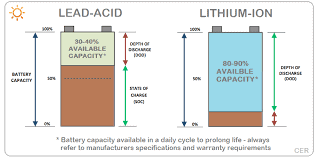
The choice of battery technology, such as lithium-ion, lead-acid, or flow batteries, significantly impacts the investment costs of BESS systems. Advancements in battery chemistry, manufacturing processes, and economies of scale have led to substantial cost reductions in recent years, making BESS systems more affordable.
2.2. Balance of System (BOS) Components
In addition to the battery cells, BESS systems require various Balance of System (BOS) components, including power conversion systems, transformers, switchgear, and control and monitoring equipment. The costs of these BOS components can account for a significant portion of the overall BESS investment.
2.3. Installation and Commissioning Expenses
The installation and commissioning of BESS systems involve civil works, electrical interconnections, and system integration, all of which contribute to the upfront investment costs. The complexity of site preparation, logistics, and project management can significantly impact these expenses.
3. Operation and Maintenance (O&M) Costs of BESS Systems
3.1. Scheduled Maintenance and Repairs
BESS systems require regular maintenance, including battery monitoring, preventive maintenance, and occasional repairs to ensure optimal performance and longevity. These scheduled maintenance activities incur ongoing O&M costs for project owners.
3.2. Electricity Consumption and Cooling Requirements
BESS systems consume electricity for their own operation, such as power conversion, control systems, and cooling. Additionally, the thermal management of BESS, often through active cooling systems, contributes to the ongoing energy and maintenance expenses.
3.3. Battery Replacement and Degradation
Over time, battery cells in BESS systems experience capacity degradation, requiring periodic replacements to maintain the system's performance. The frequency and cost of these battery replacements are crucial factors in the long-term O&M costs of PV-BESS projects.
4. Impact of BESS Costs on PV Power Project Economics
4.1. Levelized Cost of Energy (LCOE) Considerations
The Levelized Cost of Energy (LCOE) is a comprehensive metric used to evaluate the overall economic viability of PV power projects. The investment and O&M costs of BESS systems directly contribute to the LCOE, influencing the project's competitiveness in the energy market.
4.2. Project Profitability and Return on Investment (ROI)
The integration of BESS systems can significantly impact the profitability and return on investment (ROI) of PV power projects. Project developers must carefully analyze the trade-offs between the increased initial investment and the potential long-term benefits, such as enhanced reliability, revenue optimization, and grid services.
4.3. Sensitivity Analysis and Optimization
Conducting sensitivity analyses on BESS cost parameters, such as battery prices, replacement cycles, and O&M expenses, can help project developers identify the most critical cost drivers and optimize the system design to improve the overall economic performance of PV-BESS projects.
5. Strategies to Improve BESS Cost-Effectiveness
5.1. Technological Advancements and Cost Reductions
Ongoing research and development in battery technologies, manufacturing processes, and system integration are expected to drive down the investment costs of BESS systems in the future. Project developers should closely monitor these technological advancements to leverage cost-effective solutions.
5.2. Policy Incentives and Regulatory Support
Governments and regulatory bodies can play a crucial role in improving the cost-effectiveness of BESS systems through various policy instruments, such as tax credits, investment subsidies, and favorable electricity tariff structures. These incentives can help offset the initial investment costs and make PV-BESS projects more financially attractive.
5.3. Integrated Project Design and Optimization
Adopting a holistic approach to project design, combining PV and BESS systems in an optimized manner, can lead to cost savings and improved overall system performance. Leveraging synergies, co-locating components, and implementing advanced control and energy management strategies can contribute to the cost-effectiveness of PV-BESS projects.
6. Case Studies and Real-World Examples
6.1. Successful PV-BESS Projects
Several real-world PV-BESS projects around the world have demonstrated the technical and economic feasibility of integrating BESS systems into renewable energy generation. These case studies provide valuable insights into the practical implementation, challenges, and lessons learned.
6.2. Challenges and Lessons Learned
PV-BESS projects have also faced various challenges, such as high upfront costs, regulatory barriers, and operational complexities. Understanding these challenges and learning from the experiences of past projects can help future developers make more informed decisions and improve the cost-effectiveness of their projects.
6.3. Future Trends and Outlook
As the PV and BESS industries continue to evolve, the economic viability of these integrated systems is expected to improve further. Analysts and industry experts foresee declining BESS costs, advancements in energy storage technologies, and the emergence of innovative business models and financing mechanisms that will support the widespread adoption of PV-BESS projects.
7. Conclusion
7.1. Summary of Key Findings
This article has explored the impact of investment and O&M costs of BESS systems on the economic viability of PV power projects. It has highlighted the critical role of BESS in enhancing the performance and grid integration of PV systems, while also emphasizing the importance of understanding and managing the associated costs.
7.2. Recommendations for PV Power Project Developers
To ensure the long-term sustainability and profitability of PV-BESS projects, project developers should:
Carefully evaluate the investment and O&M costs of BESS systems, considering the latest technological advancements and cost trends.
Conduct comprehensive economic analyses, including LCOE calculations and sensitivity analyses, to optimize the design and ensure the overall project viability.
Explore innovative financing mechanisms and policy incentives that can improve the cost-effectiveness of BESS integration.
Stay informed about industry trends and collaboratively work with stakeholders to further improve the cost-competitiveness of PV-BESS hybrid systems.
FAQs
What are the key factors that contribute to the investment costs of BESS systems?
The investment costs of BESS systems are primarily driven by the battery technology, Balance of System (BOS) components, and installation and commissioning expenses.
How do the O&M costs of BESS systems impact the long-term economics of PV power projects?
The O&M costs of BESS systems, including scheduled maintenance, energy consumption, and battery replacements, can significantly affect the overall project profitability and return on investment over the system's lifetime.
What strategies can project developers employ to improve the cost-effectiveness of BESS integration?
Strategies to improve BESS cost-effectiveness include leveraging technological advancements, securing policy incentives, and adopting an integrated project design approach that optimizes the synergies between PV and BESS systems.
How can sensitivity analysis help project developers navigate the economic challenges of PV-BESS projects?
Sensitivity analysis allows project developers to identify the most critical cost drivers and evaluate the impact of various BESS cost parameters on the overall project economics. This can help them make more informed decisions and optimize the system design for improved cost-effectiveness.
What are some examples of successful PV-BESS projects that have demonstrated the feasibility of integrating BESS systems?
Several real-world PV-BESS projects around the world, such as the Hornsdale Power Reserve in Australia and the Moss Landing Energy Storage Facility in California, have showcased the technical and economic viability of integrating BESS systems into renewable energy generation.