


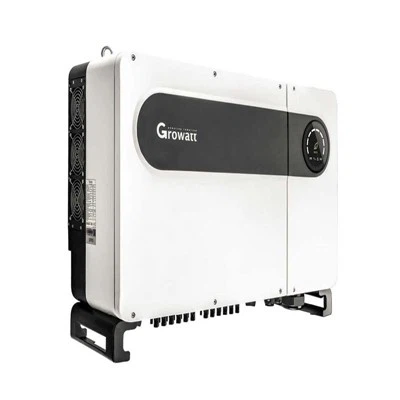
Solar inverters are critical components in any photovoltaic (PV) system, responsible for converting the direct current (DC) produced by solar panels into alternating current (AC) that can be used by homes and businesses. Like any electronic device, solar inverters are subject to wear and tear over time, which can lead to degradation in performance.
The causes of solar inverter degradation
The answer is yes, solar inverters do degrade over time. There are several factors contributing to this degradation. One of the primary factors is heat. During operation, inverters generate heat, and continuous exposure to high temperatures can cause components such as capacitors, transistors, and other electronic parts to deteriorate. This heat-induced degradation can lead to a reduction in the inverter's efficiency and performance. For example, overheated capacitors may lose their capacitance value, affecting the inverter's ability to smooth out the DC input and convert it accurately into AC output.
Another factor is electrical stress. The constant flow of electricity through the inverter's circuitry subjects the components to electrical stress. Over time, this can cause wear and tear on components like semiconductor devices. The repeated switching on and off of power transistors, for instance, can lead to the formation of microscopic cracks or defects in their structure, gradually reducing their performance and increasing the likelihood of failure.
Environmental factors also play a role. Exposure to moisture, dust, and corrosive substances in the air can corrode the metal parts and damage the circuit boards of the inverter.
The rate of solar inverter degradation
The rate of solar inverter degradation is the percentage of power output or efficiency loss per year. The rate of solar inverter degradation is influenced by many factors, so it is difficult to give an accurate value. According to different studies and reports, the range of solar inverter degradation rate is about 0.1% to 2% . Generally speaking, the rate of solar inverter degradation is related to the type, brand, installation location, and operating conditions of inverters.
For example, central inverters usually have a lower degradation rate than distributed inverters, high-quality inverters usually have a lower degradation rate than low-quality inverters, indoor-installed inverters usually have a lower degradation rate than outdoor-installed inverters, and stable-operating inverters usually have a lower degradation rate than unstable-operating inverters.
The impact of solar inverter degradation
Solar inverter degradation affects the power output and revenue of solar systems. According to a study, if the degradation rate of inverters is 1%, then in 25 years of service life, the power output or efficiency of inverters will decrease by about 22%, which means that the power generation of solar systems will decrease by about 11%, and the revenue of solar systems will decrease by about 13%. Therefore, solar inverter degradation is an important risk factor for solar systems, which needs to be paid attention by investors and operators.
The solutions for solar inverter degradation
In order to reduce solar inverter degradation, improve the performance and revenue of solar systems, the following measures can be taken:
Whether or not there is a physical change in the surroundings of the periodic vessel, the phenomenon of the flow of water or the movement of water after the slag.
During periodic clean-up, there will be dust on the reverse changer, preventing its effects and reverse changer performance.